

Legal Weapons You Can Carry in the UK
Navigate the complexities of UK law with our Essential Guide to Legal Weapons You Can Carry. Stay informed, stay safe, and empower yourself today!
Understanding the Legal Framework for Weapons in the UK
Navigating the complexities of UK law regarding the carrying of weapons requires a solid understanding of the legal framework governing these items.
The United Kingdom has some of the strictest weapons control laws in the world, aiming to minimise violence and enhance public safety.
These laws fall under various statutes, including the Firearms Act, the Offensive Weapons Act, and the Criminal Justice Act. The legislative landscape is continually evolving to address emerging threats and societal changes, making it crucial for individuals to stay updated.
The Firearms Act of 1968, amended multiple times, forms the bedrock of firearm regulation in the UK. This legislation specifies what constitutes a firearm, the requirements for obtaining a license, and the penalties for violations.
The Offensive Weapons Act 2019 further tightens controls, particularly on knives and corrosive substances, reflecting an increased focus on reducing knife crime.
The Criminal Justice Act 1988 also plays a significant role, especially regarding the possession of items deemed offensive weapons in public places.
Understanding these legislative frameworks is essential for anyone wishing to possess or carry a weapon legally in the UK. Ignorance of the law is not a valid defence, and penalties for violations can be severe, including substantial fines and imprisonment.
Therefore, thorough knowledge and compliance with these laws are not just advisable but necessary for ensuring personal and public safety.


Types of Legal Weapons You Can Carry
In the UK, the types of legal weapons you can carry are highly restricted, and each category has specific regulations.
Firearms, knives, and self-defence tools are among the limited options available, each surrounded by stringent controls to prevent misuse.
Knowing what is permissible can help individuals make informed decisions and avoid legal pitfalls.
Firearms are perhaps the most heavily regulated. To legally possess a firearm, one must obtain the appropriate license, which involves a rigorous vetting process.
Shotguns, rifles, and certain air weapons fall under this category, each with distinct licensing requirements and usage conditions. The possession of handguns is generally prohibited, with very few exceptions for certain historical and sporting purposes.
Knives and bladed items are another category where the law is quite stringent. While carrying a knife in public without a valid reason is illegal, there are exceptions for work-related tasks, religious purposes, or specific hobbies such as fishing.
However, the blade length and type are also regulated. For instance, carrying a folding knife with a blade shorter than three inches is generally permissible, but any knife with a locking mechanism, regardless of blade length, is prohibited without a valid reason.
Self-defence weapons such as pepper spray and tasers are illegal for civilian use in the UK. However, there are some legal alternatives like personal alarms and non-lethal self-defence sprays that are designed to mark an assailant rather than incapacitate them.
Understanding these legal nuances is crucial for anyone considering carrying a weapon for self-defence.



Firearms: Licensing and Regulations
Obtaining a firearms license in the UK is a rigorous process designed to ensure that only individuals who meet strict criteria can legally possess a firearm.
The application process involves thorough background checks, including criminal records, mental health evaluations, and personal references.
The police also conduct interviews and inspect the applicant’s premises to ensure that firearms will be stored securely.
The types of firearms that can be licensed include shotguns, rifles, and certain air weapons.
Each type has specific requirements. For instance, a shotgun certificate allows the holder to possess shotguns with magazines not exceeding two rounds, while a firearm certificate is required for rifles and more powerful air weapons.
The application must justify the need for the firearm, typically for sporting purposes, pest control, or work-related tasks in rural areas.
Once granted, the firearm license imposes ongoing responsibilities on the holder. They must adhere to strict storage requirements, ensuring that firearms are kept in securely locked cabinets or safes.
The police have the authority to conduct unannounced inspections to verify compliance. Additionally, the license must be renewed periodically, and any change in circumstances, such as a change of address or a new medical condition, must be reported to the authorities.



Knives and Blades: What You Need to Know
The UK’s laws on knives and blades are stringent, reflecting the country’s commitment to reducing knife crime.
Generally, carrying a knife in public without a valid reason is illegal, and the definition of a valid reason is narrow and specific. Work-related tasks, religious purposes, and hobbies like fishing or camping are among the few acceptable reasons for carrying a knife.
The law differentiates between types of knives. For instance, carrying a folding pocket knife with a blade shorter than three inches is generally permissible.
However, any knife with a locking mechanism is prohibited unless there is a valid reason. Certain types of knives, such as flick knives, butterfly knives, and disguised knives, are outright banned irrespective of blade length or intended use.
Possession of a knife on school premises, regardless of the type or blade length, is strictly prohibited. The law also allows for increased penalties if a knife is used in a threatening or violent manner.
Understanding these distinctions and the legal context is crucial for anyone considering carrying a knife for any purpose, as violations can result in severe penalties, including imprisonment.


Self-Defence Weapons: Legal Considerations
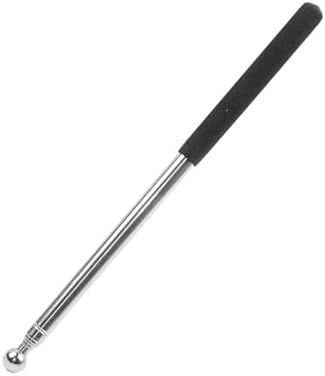
In the UK, the law takes a very restrictive view of self-defence weapons. Items such as pepper spray, tasers, and batons, which are commonly used for self-defence in other countries, are classified as prohibited weapons and are illegal for civilian use.
This stringent regulation aims to prevent these items from being used in criminal activities.
However, there are legal alternatives for self-defence that individuals can consider.
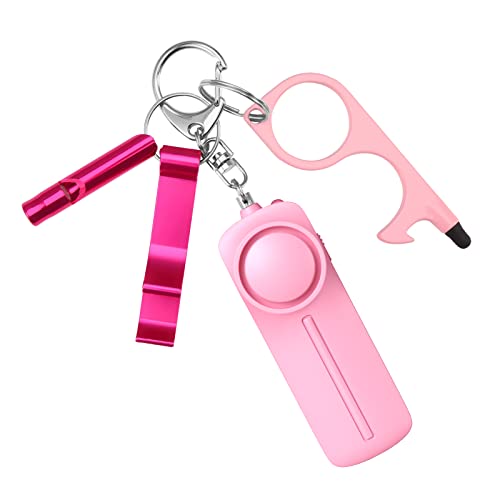
Personal alarms, for instance, are legal and can be effective in deterring assailants by drawing attention to the situation.
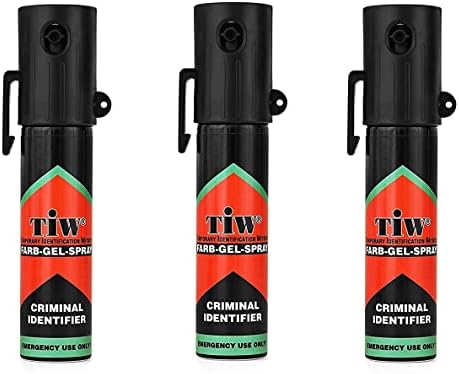
Non-lethal self-defence sprays, which mark an attacker with a dye rather than inflict harm, are another legal option.
These sprays do not incapacitate the attacker but make it easier for law enforcement to identify them later.
The law also permits the use of reasonable force in self-defence situations, but what constitutes reasonable force is often subject to interpretation.
The force used must be proportionate to the threat faced. Excessive force can lead to legal consequences for the defender.
Therefore, understanding the legal boundaries and having a clear strategy for self-defence that complies with UK law is essential for anyone concerned about their personal safety.



The Role of Air Weapons in the UK
Air weapons, including air rifles and air pistols, occupy a unique position within the UK’s weapons legislation.
While they are subject to less stringent controls compared to firearms, there are still important regulations that owners must adhere to.
The type of air weapon, its power, and the age of the user are all factors that influence the legal requirements.
For air rifles with a power output below 12 foot-pounds and air pistols below 6 foot-pounds, no license is required for individuals over 18.
However, these weapons must not be carried in public places without a valid reason, and they must be used responsibly. Higher-powered air weapons require a firearm certificate, and their use is subject to the same stringent controls as other firearms.
It is illegal to sell or gift air weapons to individuals under 18. Additionally, air weapons must be stored securely to prevent unauthorised access, particularly by minors.
The law also stipulates that air weapons must not be fired beyond the boundaries of private property without permission from the property owner.
Understanding these regulations is crucial for anyone considering owning or using an air weapon in the UK.


Carrying Weapons for Sporting Purposes
Sporting purposes provide one of the few valid reasons for legally carrying certain types of weapons in the UK.
Activities such as hunting, shooting sports, and archery are popular and have specific regulations governing the types of weapons that can be used and the conditions under which they can be carried. Compliance with these regulations is essential for participating in these activities legally and safely.
For shooting sports, individuals must obtain the appropriate firearm or shotgun certificate.
These certificates require the applicant to demonstrate a legitimate need for the weapon, such as membership in a shooting club or participation in competitive shooting events.
The weapons must be transported securely and only used in designated areas, such as shooting ranges or private land with the owner’s permission.
Archery is another sport that involves the use of potentially dangerous weapons. While bows and arrows are not subject to the same stringent controls as firearms, their use is still regulated.
Archery equipment should not be carried in public places without a valid reason, and it should only be used in designated areas such as archery clubs or private property.
Understanding and adhering to these regulations is crucial for anyone involved in sporting activities that involve weapons.


Consequences of Illegal Weapon Possession
The consequences of illegal weapon possession in the UK are severe and far-reaching. The legal system takes a stringent approach to ensure public safety, and violations can result in substantial penalties, including imprisonment.
Understanding the potential consequences is essential for anyone considering carrying a weapon, as ignorance of the law is not a valid defence.
Penalties for illegal possession vary depending on the type of weapon and the circumstances of the offence.
For instance, possessing a firearm without the appropriate license can result in a mandatory minimum sentence of five years in prison.
Carrying a knife in public without a valid reason can result in a fine, community service, or imprisonment, depending on the severity of the offence and whether it is a repeat violation.
In addition to criminal penalties, illegal weapon possession can have other long-term consequences. A criminal record can impact employment opportunities, travel restrictions, and social standing.
It can also result in the loss of any existing weapon licenses and the inability to obtain them in the future. Therefore, strict compliance with the law is essential to avoid these severe consequences.


How to Apply for Weapon Licenses in the UK
Applying for a weapon license in the UK is a detailed and rigorous process designed to ensure that only individuals who meet strict criteria can legally possess a weapon.
The application process involves several steps, including background checks, interviews, and inspections. Understanding this process is crucial for anyone considering applying for a weapon license.
The first step in applying for a firearm or shotgun certificate is to complete the relevant application form, which can be obtained from your local police force.
The form requires detailed personal information, including criminal history, medical history, and reasons for wanting to possess a weapon.
Applicants must also provide character references from individuals who can vouch for their suitability to possess a weapon.
Once the application is submitted, the police will conduct a thorough background check, including interviews with the applicant and their references.
The police will also inspect the applicant’s premises to ensure that the weapon can be stored securely. If the application is approved, the certificate will be issued, allowing the applicant to legally possess and use the specified weapon.
The certificate must be renewed periodically, and any changes in circumstances must be reported to the authorities.


Conclusion: Staying Informed and Compliant
Navigating the complexities of UK law regarding the carrying and possession of weapons requires a thorough understanding of the legal framework and a commitment to compliance.
The UK’s stringent regulations are designed to enhance public safety and reduce violence, and violations can result in severe penalties.
Therefore, staying informed and adhering to the law is essential for anyone considering carrying a weapon.
Understanding the specific regulations for different types of weapons, including firearms, knives, and self-defence tools, is crucial for making informed decisions.
The application process for weapon licenses is rigorous and requires careful attention to detail and strict compliance with the law.
Additionally, understanding the potential consequences of illegal weapon possession is essential for avoiding severe penalties.
By staying informed and compliant with UK law, individuals can ensure that they are acting responsibly and legally.
This not only enhances personal safety but also contributes to the overall safety and well-being of the community. Empower yourself with knowledge, stay informed, and stay safe.
Hope you understand our Legal weapons to carry in uk article, and please let us know with a comment below if you have needed to use them!
Check Out These Weapons That You Can Carry!