

Blast Away Danger: How Air Horns Can Enhance Your Self-Defence Strategy
In a world where personal safety is paramount, equipping yourself with effective self-defence tools is essential.
While many think of pepper spray or personal alarms, air horns are often overlooked yet remarkably powerful allies in your self-defence strategy.
With their ear-piercing sound, these handy devices do more than just make noise—they can deter potential threats and attract immediate attention when you need it most.
Imagine walking alone at night and sensing someone following you. A quick blast from your air horn could send the aggressor running and alert passersby or authorities to your distress.
Not only do air horns provide an immediate auditory defence, but they also offer peace of mind, knowing that you have a proactive tool at your disposal.
In this article, we’ll explore how air horns can enhance your self-defence tactics and why they deserve a spot in your personal safety arsenal. Get ready to blast away danger and reclaim your sense of security!


The Role of Sound in Self-Defence
In the realm of self-defence, the role of sound is often underestimated. Sound is a powerful tool that can serve various purposes, from startling an aggressor to summoning help.
Unlike physical deterrents that require close proximity or direct contact, sound can travel across distances, making it an effective means of drawing attention to a potentially dangerous situation.
The human response to sudden, loud noises is almost always one of startle and retraction, a reaction that can buy crucial seconds in a threatening encounter.
Sound operates on a psychological level as well.
The auditory cortex in the brain processes loud, unexpected noises quickly, triggering an immediate fight-or-flight response.
This reaction can cause an attacker to hesitate or even flee, providing the potential victim with a vital opportunity to escape or call for help.
Moreover, loud sounds can also disorient an aggressor, making it difficult for them to concentrate on their intended actions. This disruption can be the difference between a successful defence and a dire outcome.
The effectiveness of sound in self-defence is further amplified by its ability to attract attention. In many cases, the presence of bystanders or the intervention of law enforcement can deter criminal activity.
Loud noises are designed to alert those nearby, mobilising them to come to the aid of the person in distress.
This communal aspect of sound-based defence tools makes them particularly valuable in urban environments where help is often just a shout away.
Understanding the role of sound in self-defence is the first step in appreciating the utility of air horns in your safety strategy.

What is an Air Horn?
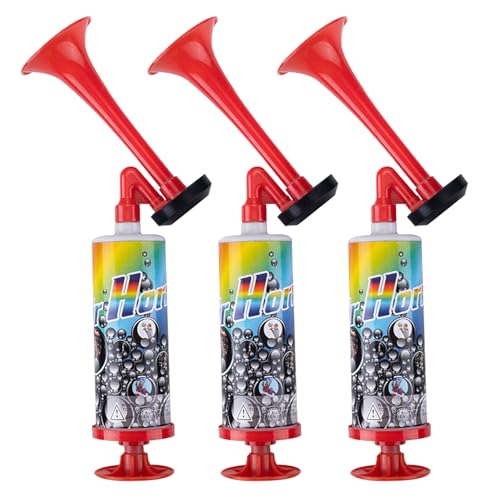
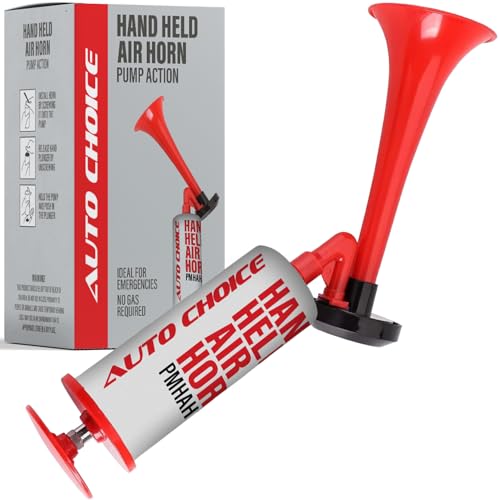
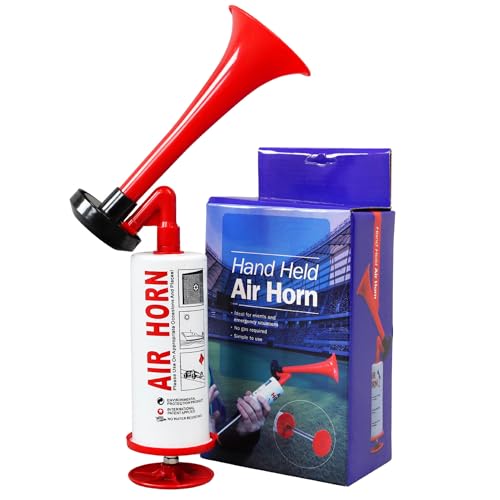
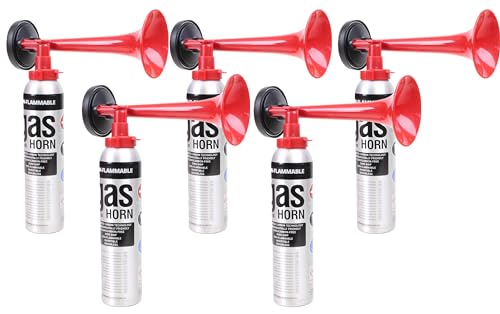
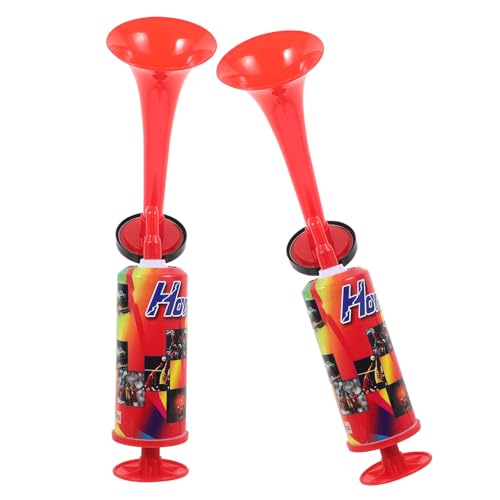
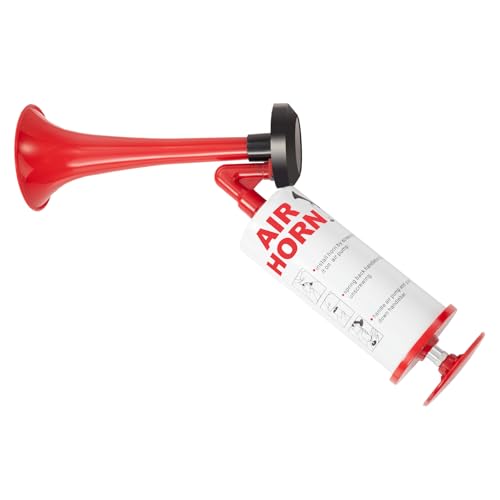
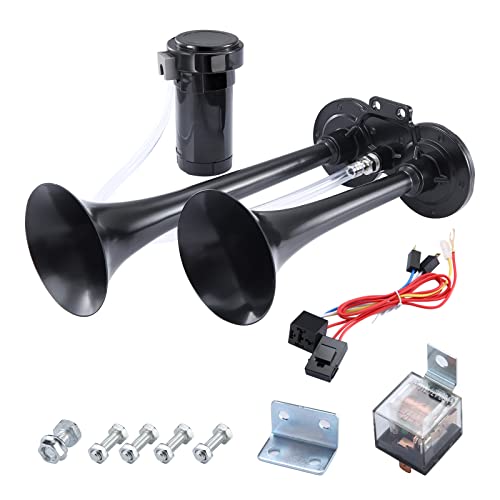
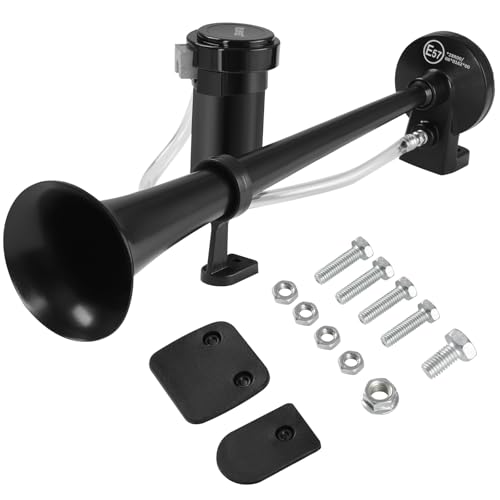
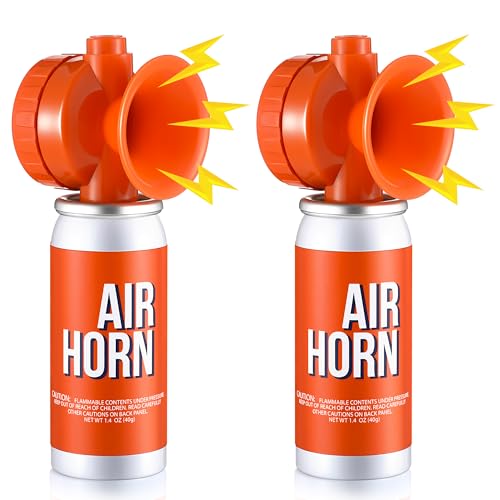
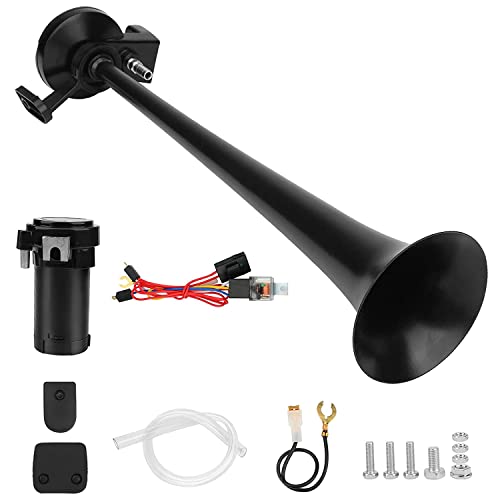
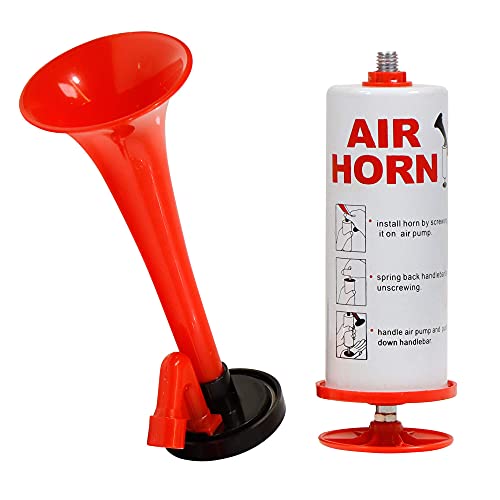
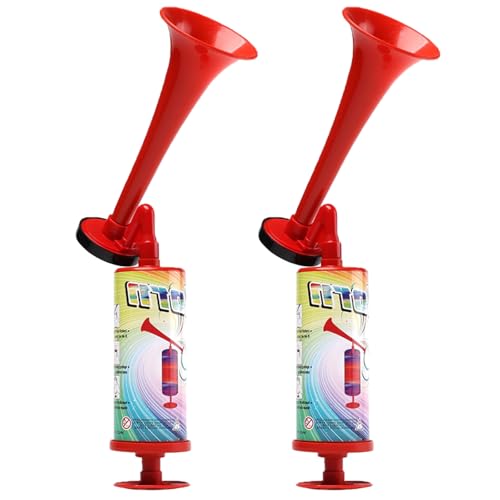
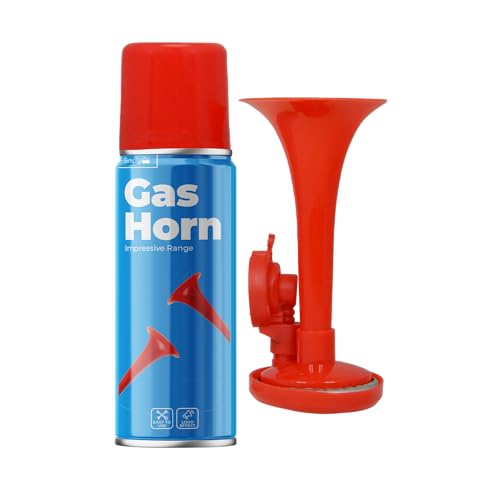
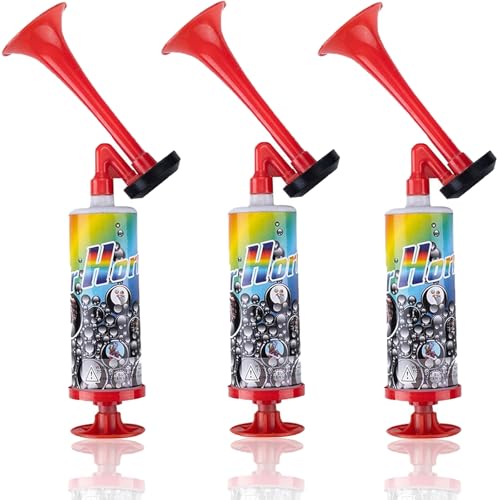
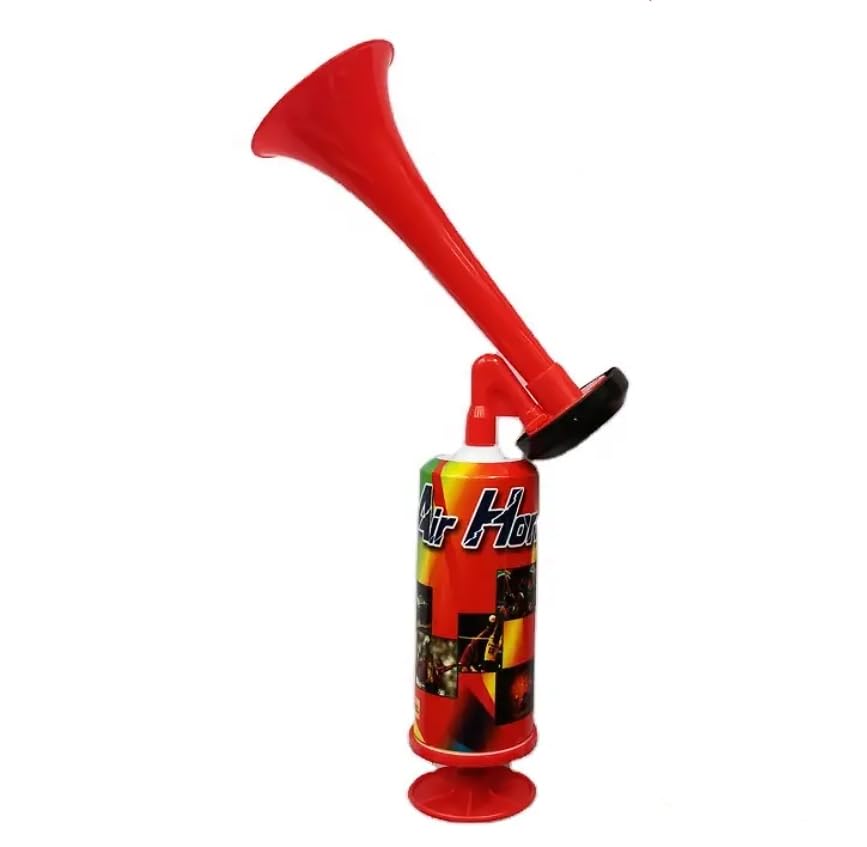
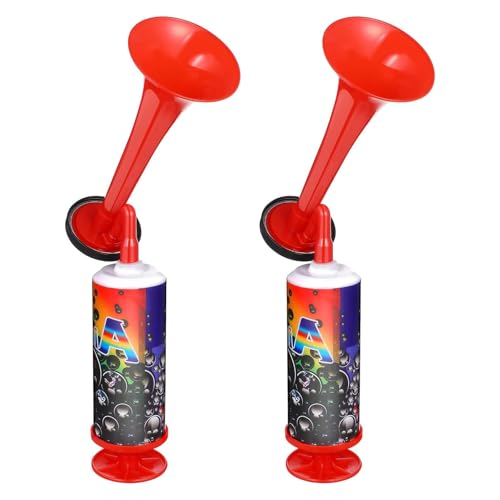
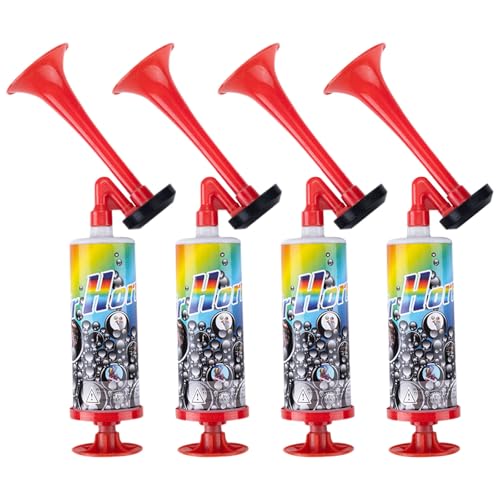
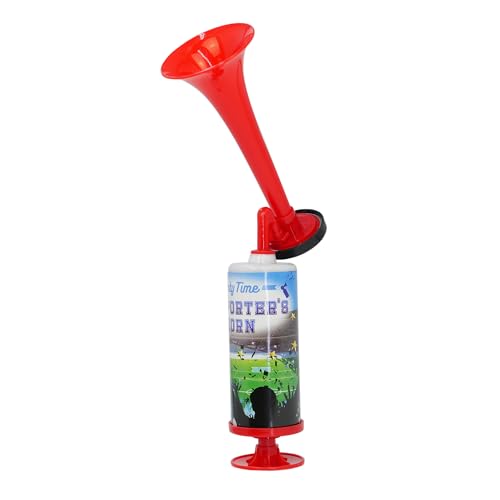
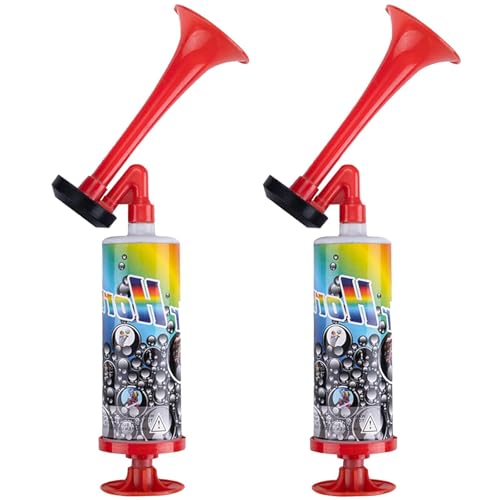
An air horn is a device that produces a loud, shrill noise by forcing air through a horn. Typically, air horns are powered by compressed air in a canister, which is released when the user presses a button or lever.
The noise emitted by an air horn can reach up to 120 decibels or more, which is comparable to the sound level of a jet engine taking off. This makes it one of the most effective auditory deterrents available.
The construction of an air horn is relatively simple, yet highly efficient.
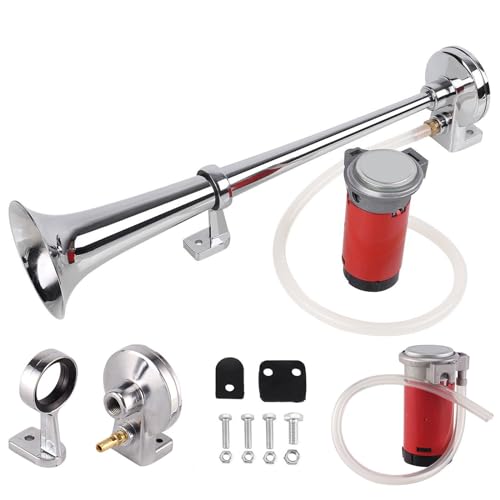
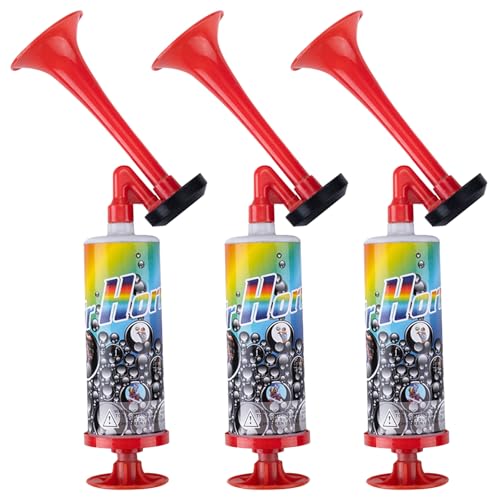
The main components include the horn itself, which amplifies the sound, and the air canister, which provides the necessary pressure to produce the noise.
Some air horns are designed to be reusable, with replaceable air canisters, while others are disposable. The simplicity of its design makes the air horn a reliable and low-maintenance tool for self-defence.
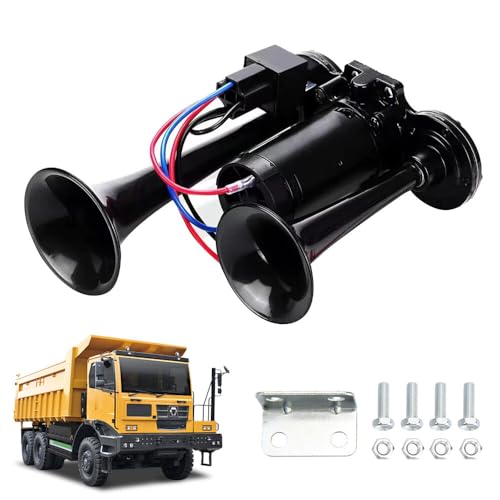
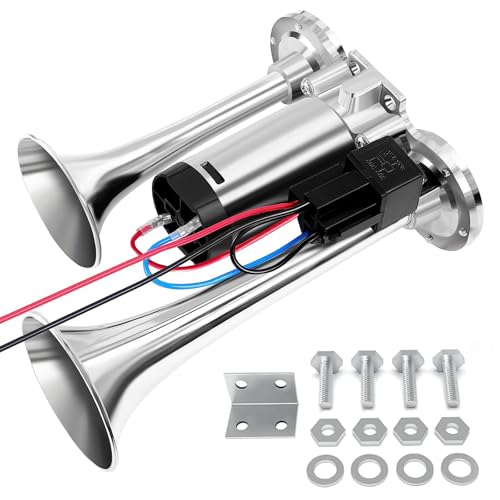
Air horns come in various sizes and shapes, ranging from compact models that can easily fit in a purse or pocket to larger versions intended for marine or industrial use.
Regardless of the size, the primary function remains the same: to produce a loud, attention-grabbing noise.
The versatility of air horns means they can be used in a wide range of scenarios, from personal protection to emergency signalling. Understanding what an air horn is and how it works is essential for integrating it effectively into your self-defence strategy.
Benefits of Using Air Horns for Self-Defence
One of the primary benefits of using an air horn for self-defence is its ability to create an immediate and overwhelming auditory impact.
The noise produced by an air horn is not only loud but also high-pitched, which can be particularly jarring to the human ear.
This sudden burst of sound can startle and disorient potential attackers, giving you precious moments to escape or seek help. Unlike other self-defence tools that may require physical contact or precise aiming, an air horn’s effectiveness is not dependent on close proximity or accurate targeting.
Another significant advantage of air horns is their simplicity and ease of use. There are no complicated mechanisms or extensive training required to operate an air horn.
In a high-stress situation, the last thing you want is to struggle with a complex device. With an air horn, all you need to do is press a button or lever, and it instantly produces a loud noise.
This straightforward operation makes it accessible to people of all ages and physical abilities, ensuring that anyone can use it effectively in an emergency.
Furthermore, air horns are a non-lethal means of self-defence.
While they can effectively deter an attacker, they do not cause permanent harm or injury. This makes them a suitable option for individuals who may be hesitant to carry more aggressive self-defense tools like pepper spray or stun guns.
The non-lethal nature of air horns also reduces the risk of legal complications that can arise from using more forceful measures. By providing a safe and effective way to protect yourself, air horns offer peace of mind and an added layer of security.


How Air Horns Deter Potential Threats
Air horns deter potential threats primarily through the element of surprise and the sheer volume of noise they produce.
When an attacker is confronted with an unexpected, ear-piercing sound, their immediate reaction is often one of shock and confusion.
This momentary disorientation can cause them to rethink their actions and potentially abandon their aggressive intentions.
The loud noise also serves as a psychological barrier, making it clear to the attacker that their presence has been noticed and that the potential victim is not an easy target.
The ability of an air horn to attract attention is another crucial factor in deterring potential threats. Criminals generally prefer to operate in secrecy, avoiding situations where their actions could be witnessed or interrupted.
By sounding an air horn, you break this veil of secrecy and draw attention to your situation. The noise can alert bystanders, neighbours, or passersby, increasing the likelihood that someone will come to your aid or call the authorities.
The fear of being caught or confronted by others can be a powerful deterrent for would-be attackers.
In addition to startling and attracting attention, the use of an air horn can also signal to the attacker that you are prepared and proactive in your self-defence.
The very act of using a self-defence tool can convey confidence and determination, qualities that can discourage an attacker from proceeding.
Criminals often seek out vulnerable and passive targets, so demonstrating that you are ready to defend yourself can make you a less appealing victim.
By integrating an air horn into your self-defence strategy, you enhance your ability to deter potential threats and protect yourself effectively.
Choosing the Right Air Horn for Self-Defence
Selecting the right air horn for self-defence involves considering several factors, including size, portability, and sound level.
The size of the air horn is crucial, as it needs to be small enough to carry comfortably but large enough to produce a sufficiently loud noise.
Compact models are ideal for personal use because they can easily fit into a purse, pocket, or backpack. However, it’s essential to ensure that the smaller size does not compromise the sound output.
Look for air horns that balance portability with performance to maximise their effectiveness.
The sound level of the air horn is another critical consideration.
To be effective as a self-defence tool, the air horn should produce a noise of at least 120 decibels. This level of sound is loud enough to startle an attacker and attract attention from a considerable distance.
Some air horns are specifically designed for personal safety and are labelled with their decibel ratings. Always check the specifications to ensure that the air horn you choose meets the necessary sound level requirements for self-defence.
Ease of use and reliability are also important factors when choosing an air horn. In an emergency, you need a device that can be activated quickly and without difficulty.
Test the air horn before you need it to ensure that it functions properly and is easy to operate. Additionally, consider air horns with replaceable canisters, as this allows you to maintain the device’s effectiveness over time.
By carefully selecting an air horn that meets these criteria, you can enhance your self-defence strategy and ensure that you are prepared to respond to potential threats effectively.

Legal Considerations for Carrying Air Horns
When incorporating air horns into your self-defence strategy, it’s essential to be aware of the legal considerations associated with carrying and using them.
While air horns are generally considered non-lethal and are widely available, there are still regulations and restrictions that may apply depending on your location.
Familiarising yourself with these laws can help you avoid legal complications and ensure that you can use your air horn confidently and responsibly.
In many places, air horns are classified as noise-making devices rather than weapons, which means they are subject to different regulations than other self-defence tools.
However, there may still be restrictions on their use in certain environments, such as schools, government buildings, or public transportation.
Some jurisdictions may also have noise ordinances that limit the permissible sound levels or times of day when loud noises can be made. It’s important to research and understand the specific laws in your area to ensure that you are in compliance.
Additionally, while air horns are non-lethal, their misuse can still have legal consequences. Using an air horn in a manner that intentionally disturbs the peace or causes unnecessary panic can result in fines or other penalties.
It’s essential to use your air horn responsibly and only in situations where it is genuinely needed for self-defence or emergency signalling.
By being aware of the legal considerations and using your air horn appropriately, you can protect yourself effectively without running afoul of the law.
Incorporating Air Horns into Your Self-Defence Plan
To effectively incorporate air horns into your self-defence plan, it’s important to integrate them with other safety measures and strategies.
Start by identifying the situations where an air horn would be most beneficial, such as when walking alone at night, traveling to unfamiliar areas, or during outdoor activities.
Keep your air horn easily accessible, whether in your purse, pocket, or attached to your keychain, so you can quickly deploy it if needed.
Practising how to use the air horn in a calm, controlled environment can also help you react more swiftly in an actual emergency.
In addition to carrying an air horn, it’s wise to combine its use with other self-defence techniques and tools.
For example, pairing an air horn with a personal alarm can provide a multi-layered approach to safety.
The air horn can be used to startle and disorient an attacker, while the alarm can continue to draw attention and signal for help. Self-defence training, situational awareness, and having a clear plan of action can further enhance your ability to respond effectively to potential threats.
Educating others about the benefits of air horns in self-defence can also contribute to a safer community. Share information with friends, family, and coworkers, and encourage them to consider incorporating air horns into their own safety strategies.
By fostering a culture of preparedness and mutual support, you can help create an environment where everyone feels more secure. Incorporating air horns into your self-defence plan is not just about personal safety; it’s about empowering yourself and those around you to take proactive steps toward protection.
Real-Life Scenarios: Air Horns in Action
Real-life scenarios demonstrate the practical effectiveness of air horns in self-defence.
Consider the story of a woman walking her dog in a quiet neighbourhood when she noticed a suspicious individual following her.
Feeling uneasy, she reached for her air horn and gave a quick blast. The loud noise startled the person, who immediately turned and fled. The woman was able to continue her walk safely, and the air horn had effectively deterred a potential threat without any physical confrontation.
In another instance, a college student used an air horn to prevent a potential assault. While walking back to her dorm late at night, she sensed someone approaching from behind.
She quickly took out her air horn and pressed the button, producing a deafening sound. The noise attracted the attention of nearby students and campus security, who came to her aid.
The would-be attacker was deterred by the loud noise and the presence of others, and the student was able to reach her dorm safely.
These real-life examples highlight how air horns can serve as a powerful deterrent and a means of attracting help in dangerous situations.
They demonstrate that air horns are not just theoretical tools but practical devices that can make a significant difference in personal safety.
By learning from these scenarios and understanding how to use air horns effectively, you can be better prepared to protect yourself in similar situations. These stories also underscore the importance of having a self-defence plan and being proactive about personal safety.
Conclusion: Empower Yourself with Air Horns
In conclusion, air horns are a valuable addition to any self-defense strategy, offering a non-lethal, easy-to-use, and highly effective means of deterring potential threats and attracting attention.
Their loud, jarring noise can startle and disorient attackers, providing you with crucial moments to escape or seek help. By understanding the role of sound in self-defence, choosing the right air horn, and being aware of legal considerations, you can incorporate this tool into your safety plan with confidence.
The real-life scenarios of air horns in action further illustrate their practical benefits and effectiveness in real-world situations.
Whether you are walking alone at night, travelling to unfamiliar areas, or simply seeking an added layer of security, an air horn can provide peace of mind and a proactive means of protection.
By educating yourself and others about the advantages of air horns, you contribute to a culture of preparedness and mutual support, enhancing safety for everyone.
Ultimately, empowering yourself with an air horn is about taking control of your personal safety and being ready to respond to potential threats.
With its simplicity, reliability, and impact, an air horn is a powerful ally in your self-defence arsenal. Blast away danger and reclaim your sense of security, knowing that you have a proven tool at your disposal to protect yourself and those you care about.
Check Out Other Self-Protection Essentials
Hope You got what you needed for our air horns article, if you have ever needed to use one, comment below and let us know!
Reference: Air Horns History etc