
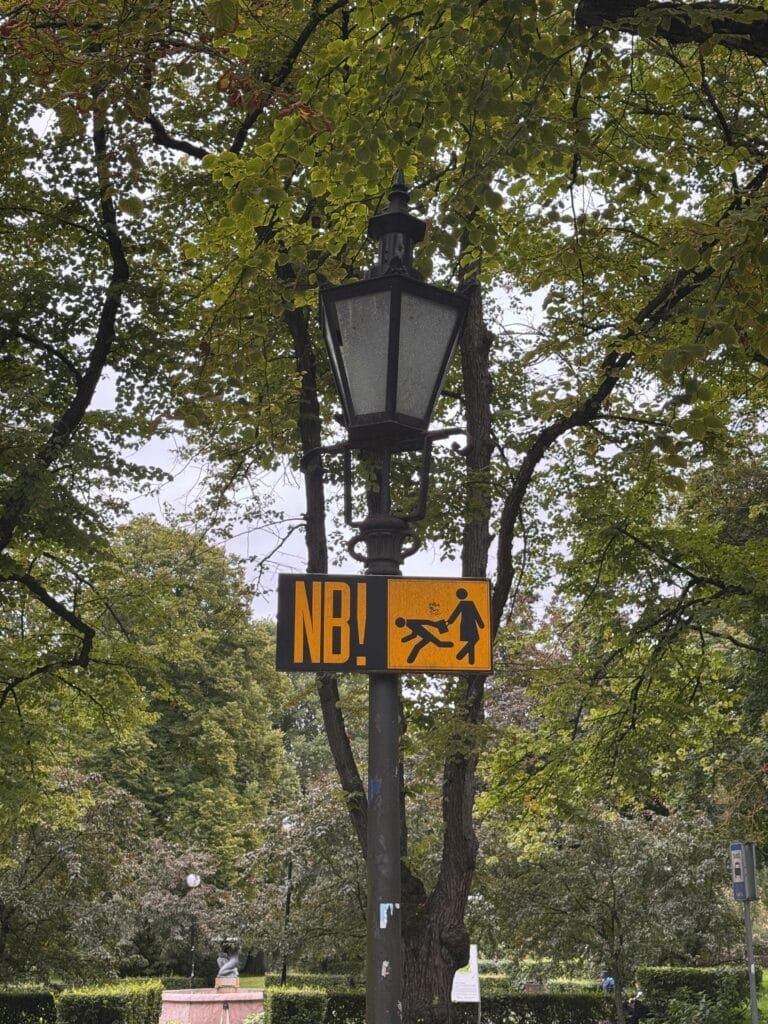
Avoid Being Pickpocketed While Travelling – Understanding Pickpocketing: How It Happens
Pickpocketing is a common crime that travellers should be aware of, particularly in crowded urban areas or tourist hotspots.
It is typically executed by skilled thieves employing a variety of tactics and techniques designed to divert a victim’s attention while they stealthily remove valuables.
One common method used by pickpockets is distraction. Criminals often work in pairs or groups where one individual may create a scene—such as dropping something or asking for directions—while their accomplice discreetly pilfers wallets, phones, or other valuables from unsuspecting victims.
Another strategy frequently employed by pickpockets involves blending into the environment. They may pose as ordinary tourists, street performers, or even vendors. In these roles, they can interact with potential victims without raising suspicion.
Areas like crowded public transport systems, busy markets, and popular tourist attractions are prime settings for pickpocketing, as they provide ample opportunities for criminals to execute their plans amidst the hustle and bustle of everyday life.
Additionally, criminals may take advantage of vulnerabilities in both the victim’s behaviour and their environment. For instance, tourists who are preoccupied with taking photographs or navigating maps are more susceptible to being targeted.
Psychological tactics also play a significant role in avoiding being pickpocketed.
Thieves are adept at assessing a person’s body language, looking for signs of distraction or inattention. They may engage in seemingly innocent conversation, thus luring the victim into a false sense of security, making it easier for them to reach into pockets or bags without being noticed.
Recognising these common tactics on how to avoid being pickpocketed is crucial for protecting one’s belongings while travelling.
Awareness of the environments one frequents, vigilance about personal possessions, and a well-practised sense of situational awareness can all contribute to a safer travel experience.


Common Scenarios Where Pickpocketing Occurs
Pickpocketing remains a prevalent issue for travellers, especially in specific environments that are teeming with people and distractions.
Understanding where and how these thefts often occur can greatly assist in how to avoid being pickpocketed during your journeys.
Crowded markets are one of the most notorious settings for pickpocketing. As locals and visitors alike bustle about, thieves exploit the chaos to blend in unnoticed.
In such a setting, a potential victim may be distracted by colourful goods or haggling with vendors, providing the perfect opportunity for a pickpocket to deftly swipe valuables.
For instance, a tourist in a famous bazaar might experience a pickpocket incident while admiring the wares, only to later discover that their wallet had been taken from their back pocket.
Public transportation is also a hotspot for this type of crime. Buses, trains, and subways, particularly during rush hour, create an overcrowded environment that allows thieves to operate with relative ease.
Standing close to fellow passengers can create an opportunity for a pickpocket to go unnoticed while reaching into a bag.
Real-life incidents frequently occur where individuals, alone or with companions, become victims while navigating busy transit hubs.
Tourist attractions, such as monuments and landmarks, present another common scenario.
Many visitors are often lost in the moment, snapping photographs and immersing themselves in the experience.
Pickpockets can take advantage of this distracted state. Reports highlight numerous cases in which thieves have worked in teams, with one person engaging the tourist while another picks their pocket.
Lastly, festivals and large gatherings are additional sites rich with opportunities for theft, as the combination of excitement and large crowds enables pickpockets to act more freely.
Knowing how not to get pickpocketed in these environments is essential for safeguarding personal belongings.


Key Items to Avoid Bringing
When travelling, it is essential to be mindful of the items you carry, as certain belongings can significantly increase your vulnerability to pickpocketing.
Understanding how to avoid being pickpocketed starts with identifying key items that should either be left at home or minimised in quantity.
Expensive jewellery, such as rings, necklaces, and watches, can attract unwanted attention. Instead, consider wearing more discreet alternatives that do not signal wealth, thereby lowering the chances of becoming a target.
Another item that travellers should be cautious about is carrying large amounts of cash.
While it is advisable to have some cash on hand, relying on credit cards or travel money cards can minimise the risk associated with carrying significant sums.
These alternatives not only reduce the likelihood of theft but also provide added security through the ability to block or cancel cards if lost or stolen.
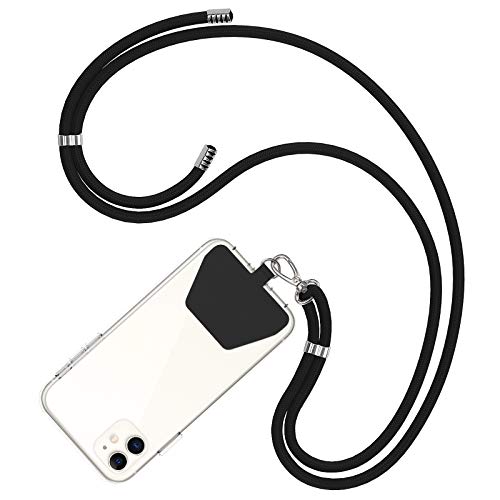
Gadgets, particularly smartphones, tablets, and cameras, can also make individuals more susceptible to theft, especially in crowded areas like markets or public transportation.
While these devices are often essential for travel, consider keeping them securely packed and only accessing them when necessary.
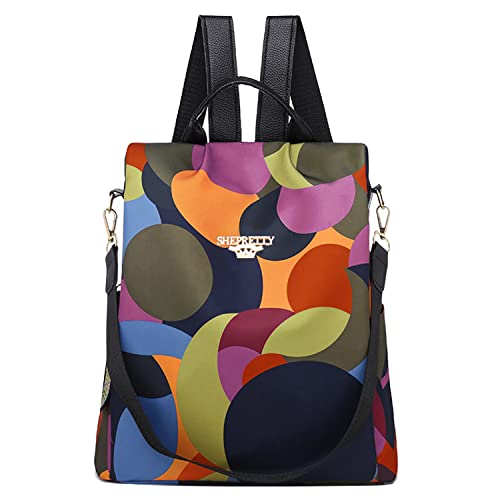
Using anti-theft bags or backpacks that feature lockable zippers and hidden compartments can further help protect these valuable items.
Emphasising a minimalist approach to packing can be beneficial; by limiting what you bring along, you reduce your overall exposure to potential pickpockets, thereby understanding how to not get pickpocketed effectively.
To conclude, being aware of the items you carry and making informed choices can significantly diminish the risk of theft while travelling.
Keeping valuables to a minimum and opting for practical alternatives is an essential strategy in avoiding pickpocketing.

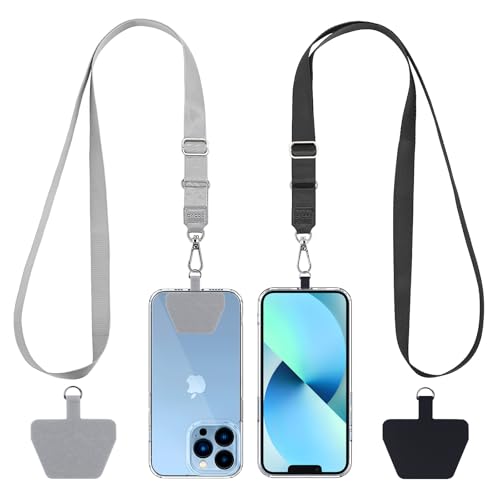


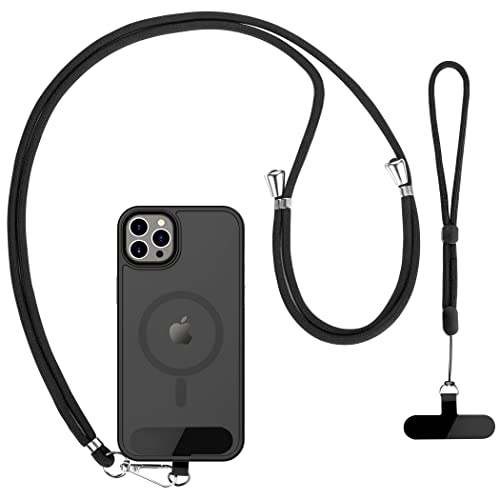

Avoid Being Pickpocketed – How to Secure Your Belongings
To ensure a worry-free travel experience, understanding how to avoid being pickpocketed is essential. Implementing effective strategies for securing your belongings will greatly diminish the chances of becoming a victim.
First and foremost, the type of bag you choose can significantly impact your safety. Opt for a backpack or crossbody bag that has zippers and is designed with anti-theft features, such as locking mechanisms or cut-resistant straps.
These bags are not only more challenging for thieves to access but also allow for a more comfortable carrying experience.
When it comes to wallet placement, it is advisable to keep your wallet in a front pocket rather than a back pocket, as this makes it more difficult for pickpockets to reach it unnoticed.
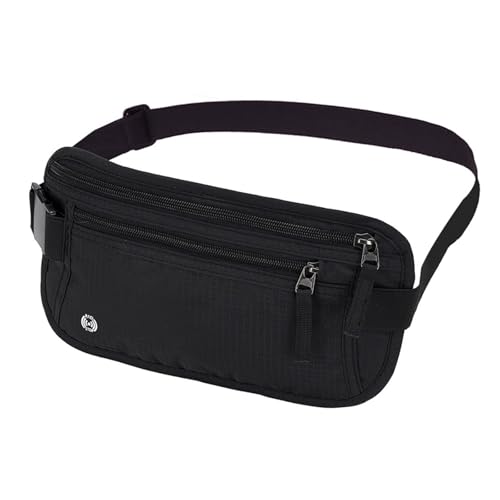
Consider using a slim, minimalist wallet that can easily fit in your front pocket without creating a bulge that could draw attention. Many travellers have found success by utilising concealed pouches or money belts that can be worn under clothing; these accessories provide excellent protection against theft.
Additionally, clothing with hidden pockets is another viable option to enhance your security. Many travel clothing brands offer garments with secure compartments designed expressly for holding cash, cards, or passports.
By keeping valuables well hidden and close to your body, you can significantly reduce the risk of pickpocketing.
Finally, employing anti-theft accessories such as locking cable systems for backpacks or RFID-blocking wallets offers an additional layer of protection.
By being mindful of your surroundings and taking proactive measures when considering how not to get pickpocketed, you can enjoy your travels with greater peace of mind.
Awareness and Alertness: The Key to Prevention
One of the most effective strategies for how to avoid being pickpocketed is to cultivate an acute sense of awareness regarding your surroundings.
Being alert in busy environments can significantly reduce your risk of becoming a victim of theft. In crowded areas such as markets, tourist attractions, and public transport, it is essential to remain vigilant and attentive.
When navigating these spaces, consciously evaluate your environment, paying attention to both the people around you and their movements.
Recognising potential threats can be developed through practice. For instance, when entering a crowded place, take note of who is near you, particularly individuals who appear overly interested in your belongings.
It is advisable to maintain a distance from suspicious individuals who might be attempting to engage in distracting behaviour.
Pay close attention to the actions of those surrounding you, as skilled pickpockets can use various tactics to divert your attention while they execute their theft.
Furthermore, reading non-verbal cues can greatly enhance your ability to how to not get pickpocketed. Be observant of uncharacteristic body language, expressions of over-eagerness, or intentional disruptions from others, which may indicate deceptive intentions.
When people invade your personal space without a reasonable justification, this could signal potential danger. Trust your instincts; if a situation feels uncomfortable, taking a step back can be a prudent decision.
Incorporating these practices into your daily travel routine will help in developing a mindset that prioritizes situational awareness.
Staying alert not only empowers you to recognise potential threats but also aids in cultivating a sense of security. Ultimately, fostering a habit of awareness and alertness is crucial in your efforts to avoid possible pickpocket encounters while enjoying your travels.





Practical Tips for Travelling Smart
When embarking on a travel adventure, it is critical to adopt practical measures that will enable you to keep your belongings safe.
One key strategy for avoiding being pickpocketed involves selecting the right travel insurance. Reliable travel insurance can provide coverage in case of loss or theft of your belongings, giving you peace of mind while exploring new destinations.
Make sure to read the policy carefully to understand what is covered, such as monetary theft or loss of personal items, so you are well-prepared in case of unfortunate events.
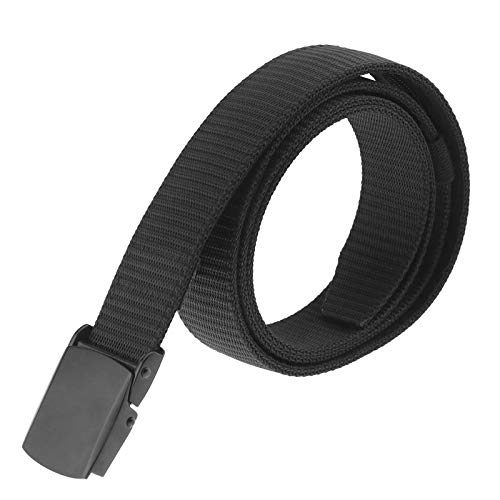
Another important tip is to utilise money belts or anti-theft bags. These specially designed items are meant to be worn underneath your clothing, making them less accessible to potential thieves.
It is advisable to carry only the necessary cash, along with copies of important documents, in your money belt, while storing the rest of your items in a secure location.
This approach is crucial on how to not get pickpocketed, as it limits the amount of cash and valuables readily available.
Researching the safety of your destination is also crucial for ensuring your safety while travelling. Before you embark, familiarise yourself with areas known for pickpocketing incidents, as this will help you remain vigilant during your trip.
Engaging with local forums or referring to travel websites can offer insights into what to expect. These precautions not only help you understand how to avoid being pickpocketed but can also enhance your overall travel experience, allowing you to explore with greater confidence.
By proactively implementing these measures, you can significantly reduce your vulnerability to theft and enjoy your journey with fewer worries.
Emergency Procedures: What to Do If You Are Pickpocketed
Experiencing pickpocketing can be distressing, and knowing the appropriate actions to take can significantly mitigate the repercussions of such an event.
If you find yourself a victim of pickpocketing, the first step is to remain calm. Panic can cloud your judgment and hinder your ability to think clearly. Immediately assess your surroundings to ensure your safety before taking further action.
The next critical step is to check whether any essential items, such as your phone, wallet, and identification, have been taken.
If you realize that your identification or passport has been lost, it is imperative to report the incident to local authorities. Visit the nearest police station and file a report. This documentation may be essential for insurance purposes and to prevent identity theft.
In addition to reporting to the authorities, contact your bank and any financial institutions where you hold accounts. Inform them that you have been pickpocketed and request that they temporarily freeze your accounts or credit cards to prevent unauthorised transactions. This action is crucial to protect your finances and is an important step in preventing being pickpocketed in the future.
If your debit or credit cards were taken, take the time to review your account statements for any unusual transactions.
Notify your bank about these transactions and follow their guidelines for fraudulent activity. Furthermore, if your passport or any vital travel document has been stolen, contact your country’s embassy or consulate immediately.
They can guide you on how to obtain a replacement and advise you on staying safe while travelling.
By following these emergency procedures, you can navigate the troubling aftermath of pickpocketing more effectively.
It is essential to remain vigilant and proactive, ensuring that you take the right measures to minimise any potential damage.
In conclusion, being prepared with knowledge on how to avoid being pickpocketed is vital for any traveller.





Technology’s Role in Preventing Pickpocketing
In an era where technology permeates every aspect of our lives, it has become a pivotal ally in the pursuit of personal security, especially while travelling.
When considering how to avoid being pickpocketed, various technological tools can aid in safeguarding possessions and providing peace of mind.
From GPS trackers to alarm systems designed specifically for bags, innovative solutions are available to ensure that valuable items remain secure.
One effective method to protect belongings is the use of GPS trackers. These compact devices can be discreetly attached to bags or valuables, allowing travellers to monitor their possessions’ location in real-time.
If a bag goes missing or is stolen, users can easily track it via a smartphone app, offering a robust way to recover lost items and learn how to not get pickpocketed during adventures in unfamiliar locations.
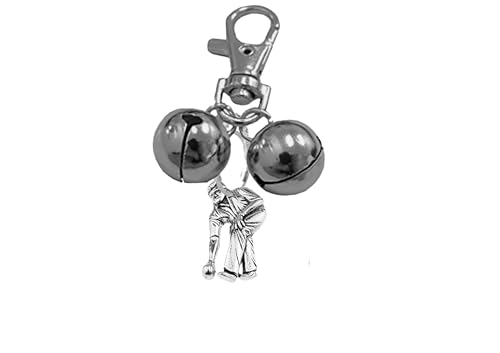
In addition to GPS trackers, alarm systems for bags have gained popularity among those looking to deter criminal activity. These systems typically consist of motion-activated alarms that emit loud sounds when an unauthorised or sudden movement occurs.
This immediate response can serve as a deterrent to would-be thieves, allowing travellers to feel more secure about their belongings.
By integrating such tools into travel routines, individuals can effectively lower the risk of becoming a victim.
Numerous apps designed with personal security and safety in mind also contribute to preventing pickpocketing.
Some of these applications provide travellers with information on high-risk areas, alerting them to exercise caution.
Others offer features like virtual wallets that allow users to monitor and secure their payment methods, empowering them to travel smarter.
Ultimately, these technological advancements have made significant strides in enhancing personal safety while travelling and provide clear strategies on how to avoid being pickpocketed.







Conclusion: Staying Safe and Enjoying Travel
Travelling to new places can be an exhilarating experience, offering the chance to explore diverse cultures, cuisine, and landscapes.
However, the thrill of travel can be diminished by the risk of pickpocketing, which is a common concern for tourists worldwide.
Therefore, understanding how to avoid being pickpocketed is essential for ensuring a pleasant journey. By being proactive and informed, travellers can significantly reduce their risk of falling victim to these crimes.
Throughout this discussion, we have highlighted several practical strategies for how to not get pickpocketed.
Simple measures, such as using secure bags, remaining aware of surroundings, and being cautious in crowded areas, are effective ways to safeguard personal belongings.
Choosing the right attire with hidden pockets can also deter potential thieves. Additionally, it is advisable to keep valuable items, such as passports and large sums of cash, in secure locations rather than easily accessible pockets.
Moreover, staying informed about local crime trends and knowing how to react in case of a pickpocketing attempt can further bolster one’s defences. Travellers are encouraged to adopt a mindset of vigilance while still enjoying the experience.
Finding the right balance between vigilance and enjoyment can enhance the travel experience without inducing unnecessary anxiety.
By integrating these safety practices into one’s travel routine, it is possible to navigate bustling streets and crowded attractions with confidence and peace of mind.
Ultimately, being prepared and aware is key to a safe trip. By implementing the tips outlined in this article, individuals can significantly minimise their chances of becoming a victim.
Embrace the opportunities to explore the world, knowing you have taken proactive steps to protect yourself while enjoying the beauty of travel.
If You Have Enjoyed Our Article On How To Avoid Being Pickpocketed, Or Got any useful tips, or you have been pickpocketed, Let Us know in the comments below!
Don’t forget to harm yourself with Pepper Spray and a Personal Alarm
Related Articles