

How Many Rapes In UK Today?
Rape remains one of the most devastating and underreported crimes in the UK, casting a long shadow over the victims and the communities affected.
Shocking statistics reveal a troubling reality: as cases rise, the path to justice often remains fraught with obstacles. The figures tell a grim tale—victims frequently encounter stigma, disbelief, and a legal system that can feel daunting.
Despite significant efforts aimed at raising awareness and supporting survivors, many cases go unreported, and even fewer lead to convictions. In this article, we delve into the stark realities of rape cases in the UK today, shedding light on the alarming statistics that illustrate the urgent need for change.
By understanding the complexities of these statistics and the challenges faced by survivors, we can collectively advocate for better support systems and policy reforms that prioritise justice and healing. Join us as we explore the facts and figures that reveal just how far we have to go to support those affected by this harrowing crime.
Shocking Statistics: Understanding the Reality of Rape Cases in the UK Today
Historical Context: Trends Over the Years
The history of rape cases in the UK is a sombre narrative that reveals both progress and persistent challenges.
In the past, societal attitudes toward rape were shrouded in stigma and silence, with victims often disbelieved or blamed for the violence inflicted upon them.
This cultural backdrop made it exceedingly difficult for survivors to come forward, and as a result, many cases went unreported.
Over the years, however, there has been a gradual shift in awareness and advocacy, leading to more victims finding the courage to share their stories. Despite this shift, historical trends indicate that the battle against rape and sexual violence is far from over.
In the latter part of the 20th century, significant milestones were achieved in the legal framework surrounding rape.
The Sexual Offences Act 2003, for instance, marked a pivotal moment in redefining and broadening the legal definitions of rape and consent.
This legislation aimed to provide better protection for victims and to ensure that perpetrators could be held accountable more effectively.
However, despite these legislative advancements, the reporting rates and conviction rates remained troublingly low, suggesting that legal reforms alone were insufficient to address the deep-rooted issues at play.
Stay Safe With Pepper Spray



The advent of the MeToo movement in the late 2010s brought a renewed focus on sexual violence, highlighting the widespread nature of the problem and encouraging more survivors to speak out.
This global movement underscored the need for a more supportive and responsive system to address rape cases.
It also shed light on the institutional and societal barriers that survivors continue to face, from initial reporting to the pursuit of justice. As we examine the current statistics and trends, it is essential to consider this historical context to understand how far we have come and the work that still lies ahead.
Current Statistics: An Overview of Rape Cases
As of the most recent data, rape cases in the UK have reached alarming levels, painting a stark picture of the prevalence of sexual violence.
According to the Office for National Statistics (ONS), there were approximately 67,125 recorded rape offences in England and Wales for the year ending March 2022.
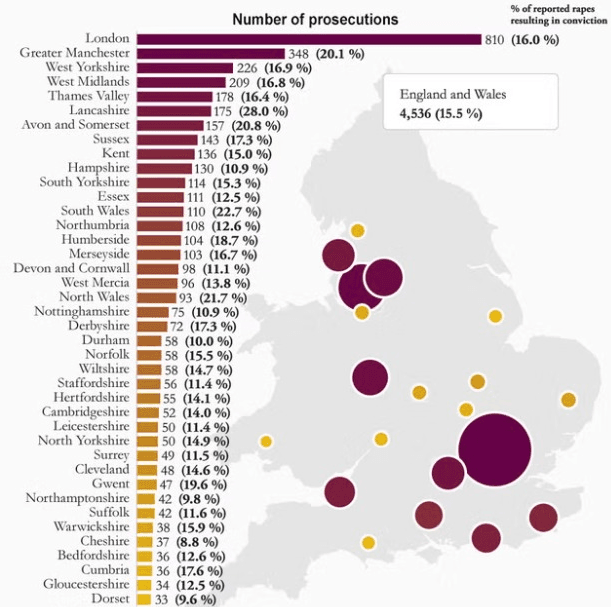
This figure represents a significant increase from previous years, indicating that the issue is not only persistent but also growing.
While some may argue that the rise in reported cases reflects greater awareness and willingness to report, it also underscores the urgent need for effective measures to combat this epidemic.
One of the most concerning aspects of these statistics is the age distribution of victims. Disturbingly, a substantial proportion of reported rape cases involve children and young people.
The ONS data reveals that nearly one-third of rape victims are under the age of 18, with many cases involving victims as young as 11 or 12.
This horrifying reality highlights the vulnerability of young individuals and the critical need for protective measures and education to prevent such crimes.
It also underscores the importance of providing age-appropriate support and resources for young survivors.
Gender remains a significant factor in the prevalence of rape, with women and girls disproportionately affected.
The ONS statistics show that the vast majority of rape victims are female, accounting for around 85% of reported cases.
However, it is crucial to recognise that men and boys can also be victims of rape, and their experiences should not be overlooked.
The stigma surrounding male victimhood can lead to underreporting and a lack of support for male survivors.
Understanding the demographic nuances of rape cases is essential for developing inclusive and effective support systems for all victims, regardless of gender.
Stay Safe With Air Horns



Demographics of Victims and Perpetrators
The demographics of rape victims and perpetrators provide critical insights into the patterns and dynamics of sexual violence.
As previously mentioned, women and girls constitute the majority of rape victims, but it is essential to delve deeper into the various intersecting factors that influence these demographics.
Age, socioeconomic status, ethnicity, and other factors can all play a role in the vulnerability to and impact of rape.
For instance, individuals from marginalised communities, such as those from ethnic minority groups or lower socioeconomic backgrounds, may face additional barriers in accessing support and justice.
According to recent studies, young women aged 16 to 24 are at the highest risk of experiencing rape and sexual assault.
This age group often includes individuals who are navigating new social environments, such as university or the workforce, which can expose them to increased risks.
Additionally, the influence of alcohol and drugs in social settings can further complicate matters, making it difficult for victims to clearly recall events or feel confident in reporting the crime.
This demographic trend underscores the need for targeted prevention and education programs that address the unique challenges faced by young adults.
On the perpetrator side, the majority of rapes are committed by someone known to the victim, such as a partner, ex-partner, friend, or acquaintance.
This fact shatters the common misconception that rape is mostly perpetrated by strangers in dark alleys. Understanding the relationship between victims and perpetrators is crucial for developing effective interventions and support systems.
It also highlights the importance of addressing the power dynamics and social norms that enable such violence to occur within familiar settings.
By recognising the complex interplay of factors that contribute to the demographics of rape, we can better tailor our efforts to support victims and prevent future incidents.
Stay Safe With Tactical Pens



Read Our Review of Stealth Pen Pro Atomic Bear
Legal Framework: How the Law Addresses Rape in the UK
The legal framework surrounding rape in the UK is designed to provide a comprehensive approach to addressing and prosecuting sexual violence.
The cornerstone of this framework is the Sexual Offences Act 2003, which redefined the legal definitions of rape, consent, and sexual assault.
Under this act, rape is defined as non-consensual penetration with a penis, regardless of the gender of the victim.
This definition emphasizes the importance of consent, which must be given freely and voluntarily by someone with the capacity to do so. The act also outlines other sexual offences, including assault by penetration, sexual assault, and causing a person to engage in sexual activity without consent.
Despite the robust legal definitions, the process of prosecuting rape cases in the UK remains fraught with challenges.
One significant hurdle is the burden of proof, which requires the prosecution to demonstrate beyond a reasonable doubt that the defendant committed the crime.
This high standard of proof is essential for ensuring justice but can be particularly challenging in rape cases, where physical evidence may be limited, and the crime often occurs in private.
As a result, many cases hinge on the credibility of the victim’s testimony, which can be subject to intense scrutiny and skepticism.
Another critical aspect of the legal framework is the support provided to victims throughout the judicial process.
Special measures, such as giving evidence via video link or behind screens, can help reduce the trauma of facing the accused in court.
Additionally, the introduction of independent sexual violence advisors (ISVAs) aims to provide victims with dedicated support and guidance from the point of reporting through to the conclusion of the case.
While these measures represent significant progress, there is still much work to be done to ensure that all victims receive the support they need and that the legal system treats their cases with the seriousness and sensitivity they deserve.
Stay Safe With Personal Alarms


Reporting and Prosecution Rates: The Reality Behind the Numbers
The reporting and prosecution rates for rape in the UK reveal a troubling reality that underscores the need for systemic change.
Despite the high number of reported rape offences, the proportion of cases that result in a charge or summons remains strikingly low.
According to the Crown Prosecution Service (CPS), only about 1.4% of reported rape cases led to a charge in the year ending March 2022. This figure represents a significant decline from previous years and highlights the widening gap between reported incidents and successful prosecutions.
Several factors contribute to the low prosecution rates for rape cases. One major issue is the attrition rate, where cases fall out of the criminal justice system at various stages.
Many victims may withdraw their cases due to the emotional toll of the process, fear of not being believed, or dissatisfaction with how their case is being handled.
Additionally, the investigative process can be lengthy and complex, with delays in gathering evidence or obtaining forensic results. These delays can lead to further trauma for victims and reduce their willingness to continue with the prosecution.
The low prosecution rates also reflect broader systemic issues within the criminal justice system. Overburdened police forces, resource constraints, and a lack of specialised training for handling sexual violence cases can all impede the effective investigation and prosecution of rape.
Moreover, societal attitudes and biases can influence the way cases are perceived and handled by law enforcement and the judiciary.
Addressing these issues requires a multifaceted approach that includes better training, increased resources, and a cultural shift towards believing and supporting victims. By tackling the root causes of low prosecution rates, we can work towards a more just and responsive system for all survivors of rape.
Impact of Rape on Victims and Society
The impact of rape on victims and society is profound and far-reaching, affecting individuals’ physical, emotional, and psychological well-being.
For survivors, the trauma of rape can lead to a range of mental health issues, including post-traumatic stress disorder (PTSD), depression, anxiety, and suicidal ideation.
These psychological effects can persist long after the assault, influencing every aspect of a survivor’s life, from their relationships and employment to their overall sense of safety and self-worth.
The stigma and shame often associated with rape can further exacerbate these issues, making it difficult for survivors to seek help and support.
Beyond the individual impact, rape has significant societal consequences. The prevalence of sexual violence contributes to a culture of fear and mistrust, particularly among women and marginalised groups.
This pervasive fear can limit individuals’ freedom and autonomy, affecting their ability to participate fully in social, educational, and professional opportunities.
The economic costs of rape are also substantial, with survivors often requiring medical care, mental health services, and support from social services.
The criminal justice system incurs additional costs related to the investigation and prosecution of rape cases.
The societal impact of rape extends to the broader community, where the normalisation of sexual violence can perpetuate cycles of abuse and contribute to a culture of impunity for perpetrators.
Addressing the impact of rape requires a comprehensive approach that includes not only individual support for survivors but also broader efforts to challenge and change the societal norms that enable sexual violence.
Prevention, education, and advocacy are essential components of this approach, helping to create a society where all individuals can live free from the threat of sexual violence and its devastating consequences.
Be Safe With Tactical Torch



Resources and Support for Victims of Rape
For survivors of rape, access to resources and support is crucial for healing and recovery. In the UK, there are numerous organisations and services dedicated to providing assistance to victims of sexual violence.
Rape Crisis England & Wales, for example, offers a range of support services, including helplines, counselling, and advocacy. These services are designed to provide survivors with a safe and confidential space to talk about their experiences and receive the support they need.
Many Rape Crisis centres also offer specialised services for different demographic groups, such as young people, men, and individuals from ethnic minority backgrounds.
Another vital resource for survivors is the network of Sexual Assault Referral Centres (SARCs) across the UK. SARCs provide a comprehensive range of services, including forensic medical examinations, crisis support, and referrals to other agencies for ongoing support.
These centres aim to offer immediate and holistic care to survivors in the aftermath of a sexual assault, ensuring that they receive the necessary medical, emotional, and legal support. SARCs play a critical role in the early stages of reporting and can help survivors navigate the complex process of engaging with the criminal justice system.
Independent Sexual Violence Advisors (ISVAs) are another key resource for survivors. ISVAs provide practical and emotional support to individuals who have experienced sexual violence, guiding them through the legal process and helping them access other services.
ISVAs work closely with survivors to ensure their needs are met and that they are supported at every stage, from reporting the crime to attending court.
The availability of ISVAs can make a significant difference in survivors’ experiences, helping them feel more informed and empowered throughout the judicial process.
Initiatives and Campaigns Aimed at Prevention
Preventing rape and sexual violence requires a multifaceted approach that addresses the root causes and promotes cultural change.
Numerous initiatives and campaigns in the UK aim to raise awareness, educate the public, and promote preventive measures.
One such campaign is the “Consent: It’s as Simple as Tea” initiative, which uses a simple and relatable analogy to explain the concept of consent.
This campaign has been widely disseminated through social media, educational institutions, and community organisations, helping to foster a clearer understanding of consent and its importance in sexual relationships.
Educational programs play a critical role in prevention efforts, particularly those aimed at young people. Comprehensive sex education that includes discussions about consent, healthy relationships, and respect can help equip young individuals with the knowledge and skills they need to navigate sexual situations safely and respectfully.
Schools, colleges, and universities are increasingly incorporating these topics into their curricula, recognising the importance of early education in preventing sexual violence.
Additionally, bystander intervention programs train individuals to recognise and safely intervene in situations where someone may be at risk of sexual violence, empowering them to take action and prevent harm.
Grassroots organisations and survivor-led initiatives are also pivotal in the fight against sexual violence. These groups often work at the community level to provide support, raise awareness, and advocate for policy changes.
Campaigns such as “Reclaim the Night” and “End Violence Against Women” have been instrumental in mobilising public support and pushing for legislative and societal changes.
By amplifying the voices of survivors and advocating for their rights, these initiatives contribute to a broader movement towards ending sexual violence and creating a safer, more equitable society.
Be Safe With Whistles


Conclusion: Moving Forward to Address the Crisis
The shocking statistics on rape cases in the UK highlight the urgent need for comprehensive and sustained efforts to address this crisis.
While significant progress has been made in raising awareness and supporting survivors, the persistent challenges in reporting, prosecution, and societal attitudes underscore the need for ongoing action.
Understanding the complexities of rape cases and the barriers faced by survivors is essential for developing effective solutions that prioritise justice, healing, and prevention.
Moving forward, it is crucial to continue advocating for policy reforms that enhance the legal framework and ensure that survivors receive the support and justice they deserve.
This includes addressing the systemic issues within the criminal justice system, such as improving investigation processes, reducing delays, and increasing prosecution rates.
Additionally, expanding access to resources and support services, such as counselling, advocacy, and medical care, is vital for helping survivors heal and rebuild their lives.
Ultimately, preventing rape and sexual violence requires a collective effort that involves individuals, communities, and institutions working together to challenge harmful norms and promote a culture of respect and equality.
By continuing to raise awareness, educate, and advocate for change, we can create a society where all individuals can live free from the threat of sexual violence and its devastating impact.
The journey towards a safer and more just society may be long, but it is a journey that we must undertake with determination, compassion, and a commitment to supporting all survivors.
We do NOT want to scare monger you on how many rapes in the UK today? Feel free to comment below if you have been and want to tell the world. (Use a different identity if you prefer; your details will not be given out.)
Related articles
What is The Meaning Of Rape