

How to Avoid Being Spiked and Protect Yourself
In a world where enjoying a night out can sometimes lead to unexpected dangers, it’s vital to be informed and prepared. The issue of being spiked—where harmful substances are secretly added to drinks—poses a significant risk to personal safety.
Whether you’re heading to a lively party, a quiet bar, or a bustling concert, understanding how to protect yourself is crucial.
This article dives into essential tips that will empower you to stay alert and safeguard your wellbeing. From simple awareness practices to proactive steps to protect your drink, we’ve gathered practical advice to help you navigate social situations with confidence.
Don’t let fear overshadow your fun; instead, equip yourself with knowledge that promotes safety and enjoyment. Get ready to take charge of your nights out, ensuring you and your friends can focus on making memorable moments without the worry of being spiked.


Understanding the Risks of Being Spiked
The threat of having your drink spiked is an unfortunate reality in modern social settings. Drink spiking involves the illicit addition of drugs or alcohol to someone’s beverage without their knowledge or consent.
This malicious act is often aimed at rendering the victim disoriented, incapacitated, or vulnerable to other crimes, including theft or assault.
The perpetrators of such acts may target individuals at bars, clubs, parties, or any place where drinks are served.
Understanding the risks associated with being spiked is the first step towards safeguarding yourself against this insidious practice.
One of the primary risks of being spiked is the potential for severe physical and psychological harm. The substances commonly used in drink spiking, such as Rohypnol, GHB, and ketamine, can have profound effects on the body and mind.
These drugs can induce symptoms ranging from dizziness, nausea, and confusion to loss of consciousness and memory blackouts.
The unpredictability of these substances means that the victim’s response can vary widely, making it difficult to anticipate and manage the situation effectively.
Beyond the immediate physical effects, the emotional and psychological impact of being spiked can be long-lasting.
Victims often experience feelings of violation, anxiety, and trauma, which can affect their ability to engage in social activities in the future.
The fear of recurrence can lead to social withdrawal and diminished quality of life. By being aware of the risks, individuals can take proactive measures to protect themselves and minimise the likelihood of such incidents occurring.
Recognising the Signs of Being Spiked
Recognising the signs of being spiked is crucial for prompt action and seeking help. The symptoms of drink spiking can manifest rapidly, often within minutes of consumption.
Common signs include sudden dizziness, confusion, and a feeling of being overly intoxicated relative to the amount of alcohol consumed.
Victims may also experience nausea, vomiting, and blurred vision, which can escalate to unconsciousness in severe cases. Being able to identify these symptoms early can make a significant difference in ensuring the victim’s safety.
In many cases, victims of drink spiking report a loss of memory or gaps in their recollection of events. This amnesia can be particularly distressing as it leaves individuals with little to no knowledge of what transpired during the period of incapacitation.
Additionally, victims may find themselves in unfamiliar surroundings or with strangers, heightening feelings of vulnerability and confusion.
Recognising these signs in oneself or others can prompt immediate action, such as seeking a safe place, contacting friends or authorities, and avoiding further consumption of the spiked beverage.
It’s important to note that the signs of being spiked can vary depending on the substance used and the individual’s body chemistry.
Some may experience more subtle symptoms, such as mild confusion or a sudden change in mood, which can be easily overlooked.
Therefore, maintaining a high level of awareness and trusting one’s instincts are essential. If something feels off, it’s better to err on the side of caution and take preventive measures to ensure safety.


How to Protect Yourself Before Going Out
Preparation is key to ensuring a safe and enjoyable night out. Before heading to your chosen venue, there are several proactive steps you can take to minimise the risk of being spiked.
One of the most effective strategies is to plan your night out with trusted friends. Agreeing to look out for each other and having a designated meeting point in case anyone gets separated can provide an added layer of security.
Establishing a buddy system ensures that someone is always aware of your whereabouts and can intervene if anything seems amiss.
Choosing the right venue can also play a significant role in your safety. Opt for reputable establishments known for their strict security measures and responsible service.
Venues with well-trained staff who are vigilant about drink safety and customer well-being are less likely to be hotspots for drink spiking.
Additionally, familiarise yourself with the layout of the venue, including the location of exits and security personnel, so you can act quickly if needed.
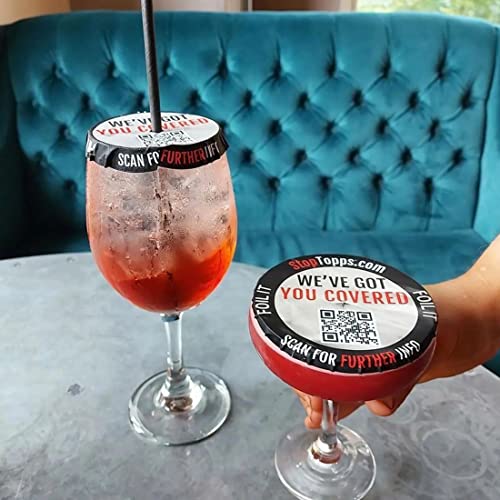
Equipping yourself with practical items can further enhance your safety. Consider using drink covers or anti-spiking devices that can help prevent tampering.
These products are designed to fit over the opening of your drink and can alert you to any interference. Carrying a personal alarm or having emergency contact numbers readily accessible on your phone can also provide peace of mind.
By taking these precautions before you even step out the door, you lay the groundwork for a safer night out.
How to Avoid Being Spiked – Staying Aware: Tips for Safe Socialising
Once you’re out and about, maintaining a high level of awareness is crucial for staying safe. One of the simplest yet most effective tips for safe socialising is to always keep an eye on your drink.
Never leave your beverage unattended, even for a moment, as this provides an opportunity for someone to tamper with it.
If you need to step away, either finish your drink or ask a trusted friend to watch it for you. When in doubt, it’s better to discard your drink and get a new one rather than risk consuming something that may have been compromised.
Accepting drinks from strangers can be risky, especially if you did not see the drink being prepared. Politely decline offers from individuals you do not know well and instead, order your own beverages directly from the bar.
This ensures that you have control over what you’re consuming and can watch the drink being made. If someone insists on buying you a drink, accompany them to the bar and observe the entire process to ensure your safety.
Monitoring your own alcohol intake is another important aspect of safe socialising. Excessive drinking can impair your judgment and make you more vulnerable to potential threats.
Pace yourself by alternating alcoholic drinks with water or non-alcoholic beverages, and be mindful of how much you’re consuming.
Staying hydrated and well-nourished can help you maintain better control over your faculties and make it easier to spot any unusual symptoms that may indicate your drink has been spiked.


What to Do if You Suspect You’ve Been Spiked
If you suspect that you or someone else has been spiked, it’s important to act quickly. The first step is to get to a safe place away from the immediate environment.
Inform a trusted friend, security personnel, or staff at the venue about your suspicions and ask for assistance. It’s crucial to avoid being alone, as you may need support and medical attention. If you are with friends, make sure they stay with you and help you navigate the situation.
Seeking medical attention is paramount if you believe you have been spiked. Contact emergency services or go to the nearest hospital to receive professional care.
Informing healthcare providers about your suspicions can help them administer the appropriate tests and treatments.
Time is of the essence, as certain drugs used in spiking can leave the system quickly, making it harder to detect them later.
Providing a detailed account of your symptoms and the events leading up to them can aid in your diagnosis and treatment.
Reporting the incident to the authorities is also a crucial step. Notifying the police can help in the investigation and potentially prevent the perpetrator from harming others.
Provide as much information as possible, including the time and location of the incident, any suspicious individuals, and any physical evidence, such as the drink itself.
Reporting the crime not only helps in seeking justice but also contributes to broader efforts to combat drink spiking and enhance public safety.
The Role of Bystanders in Prevention
Bystanders play a critical role in preventing drink spiking and ensuring the safety of others. Being an active and vigilant bystander means staying aware of your surroundings and being prepared to intervene if you notice suspicious behaviour.
If you see someone tampering with another person’s drink or acting in a way that raises red flags, it’s important to take action.
This can involve discreetly informing security staff, alerting the potential victim, or creating a distraction to prevent the act from occurring.
Supporting friends and acquaintances in social settings is another key aspect of bystander intervention. Keep an eye out for signs that someone may be in distress or behaving unusually.
If you notice a friend exhibiting symptoms of being spiked, such as sudden confusion or drowsiness, step in to offer assistance and ensure their safety.
Encourage your social circle to adopt a culture of looking out for one another, where everyone feels responsible for the group’s well-being.
Educating yourself and others about the signs of drink spiking and the importance of intervention can empower more people to take action.
Sharing information through conversations, social media, or community campaigns can raise awareness and foster a collective commitment to safety.
By recognising the power of bystanders and encouraging proactive measures, we can create safer social environments where everyone can enjoy their night out with greater peace of mind.
Legal Implications and Reporting Incidents
Understanding the legal implications of drink spiking is essential for both prevention and response. Drink spiking is a serious criminal offence in many jurisdictions, carrying significant penalties for those found guilty.
The act itself is often classified as an assault, and if it leads to further criminal activities, such as sexual assault or theft, the charges and consequences can be even more severe.
Knowing the legal ramifications can deter potential perpetrators and underscore the importance of reporting incidents.
Reporting drink spiking incidents to the authorities is a crucial step in seeking justice and preventing future crimes.
When filing a report, provide as much detail as possible, including the time, location, and any witnesses or evidence that can support your case.
The police may collect forensic evidence, such as testing the drink for substances or conducting medical examinations, to build a strong case against the perpetrator.
Your report can contribute to the apprehension and prosecution of offenders, helping to make social environments safer for everyone.
It’s important to recognise that the legal process can be challenging and emotionally taxing. Victims may face scrutiny and scepticism, which can be discouraging.
Seeking support from victim advocacy groups, legal advisors, and mental health professionals can provide the necessary assistance and guidance throughout the process.
Understanding your rights and the resources available to you can help navigate the legal system more effectively and empower you to pursue justice with confidence.
Resources for Victims of Spiking
Victims of drink spiking often require a range of resources to support their recovery and well-being. Medical care is a priority, as prompt treatment can mitigate the effects of the substances used in spiking.
Hospitals and clinics can provide the necessary tests and treatments to address immediate health concerns. Additionally, mental health services, such as counselling and therapy, can help victims process the emotional and psychological impact of the experience.
Support groups and victim advocacy organisations offer valuable resources for those affected by drink spiking. These groups provide a safe space for victims to share their experiences, seek advice, and connect with others who have faced similar situations.
Advocacy organisations can also assist with navigating the legal process, offering guidance on reporting incidents and accessing legal aid.
By connecting with these resources, victims can find the support they need to heal and move forward.
Educational and preventive resources are also crucial in combating drink spiking. Public awareness campaigns, informational websites, and community workshops can provide valuable information on how to stay safe and prevent drink spiking.
By staying informed and sharing knowledge with others, we can collectively work towards reducing the incidence of drink spiking and creating safer social environments for everyone.
Educating Others: Spiking Awareness Campaigns
Education is a powerful tool in the fight against drink spiking. Awareness campaigns can play a significant role in informing the public about the risks, signs, and preventive measures associated with drink spiking.
These campaigns can take various forms, including social media initiatives, public service announcements, and community outreach programs.
By spreading knowledge and raising awareness, we can empower individuals to take proactive steps to protect themselves and others.
Schools, universities, and community organisations are ideal platforms for implementing spiking awareness campaigns.
Educational institutions can incorporate information about drink spiking into their health and safety curricula, ensuring that students are equipped with the knowledge they need to stay safe.
Community organisations can host workshops, seminars, and events that focus on prevention and intervention strategies.
By engaging with these institutions, we can reach a wider audience and foster a culture of safety and vigilance.
Collaboration with local businesses, such as bars and clubs, can also enhance the effectiveness of spiking awareness campaigns.
Establishments can participate by training their staff to recognise and respond to potential drink spiking incidents, implementing safety measures such as drink covers, and displaying informative posters and flyers.
By working together, businesses and communities can create a united front against drink spiking, promoting a safer and more enjoyable social environment for everyone.
Conclusion: Empowering Yourself and Others for Safety
In conclusion, staying safe from drink spiking requires a combination of awareness, preparation, and proactive measures. Understanding the risks and recognising the signs of being spiked are crucial steps in protecting yourself and others.
By taking preventive actions before going out, staying vigilant in social settings, and knowing how to respond if you suspect you’ve been spiked, you can significantly reduce the risk of harm.
The role of bystanders, the importance of reporting incidents, and the availability of resources for victims all contribute to a comprehensive approach to safety.
Educating yourself and others through awareness campaigns and community initiatives can further enhance collective efforts to combat drink spiking.
By fostering a culture of vigilance, support, and empowerment, we can create safer social environments where everyone can enjoy their time without fear.
Remember, knowledge is power, and by equipping yourself with the right information and strategies, you can take charge of your safety and help protect those around you. Stay informed, stay alert, and stay safe. Hope You Got What you needed From This How To Avoid Being Spiked Article, and feel free to comment below.
Related Articles