
Mastering Self Defence Whip: The Art of Using a Self-Defence Whip
Unlock the power of self-defence with the whip—a versatile tool that embodies agility and precision. Discover techniques to protect yourself and gain confidence.
Understanding the Self Defence Whip: History and Evolution
The self-defence whip, often seen as an exotic and unconventional weapon, has a rich history that transcends cultures and eras.
This tool traces its origins to ancient civilisations, where it served multiple purposes, from herding animals to enforcing discipline.
Historically, whips were crafted from animal hides and later evolved to include materials like rope and metal chains, enhancing their durability and functionality.
Ancient martial artists and warriors recognised the whip’s potential as a weapon, utilising its reach and speed to gain an advantage in combat.
This historical context underscores the whip’s versatility and adaptability, paving the way for its use in self-defence today.
The evolution of the self-defence whip continued through the Middle Ages and into modern times. During the medieval period, whips were often part of a knight’s arsenal, used not just for combat but also for training purposes.
As societies progressed, the whip found a place in various martial arts disciplines, particularly in Eastern traditions like Chinese Kung Fu and Japanese Ninjutsu.
These martial arts integrated the whip into their training regimens, recognising its ability to enhance reflexes, coordination, and strategic thinking.
This period of adaptation and refinement solidified the whip’s reputation as a formidable weapon.
In contemporary times, the self-defence whip has undergone further transformation, with advancements in materials and design.
Modern self-defence whips are often made from high-strength polymers, carbon fibre, or reinforced nylon, offering improved flexibility and resilience.
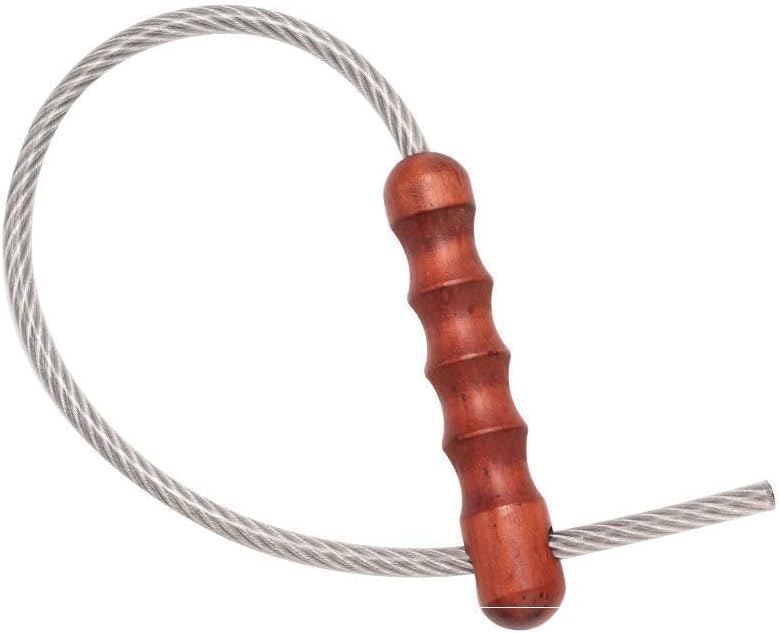
The design has also become more ergonomic, with enhanced grip features and compact forms that make it easier to carry and conceal.
This evolution reflects a growing recognition of the whip’s effectiveness in personal defence, blending traditional techniques with modern innovation to create a tool that is both practical and powerful.

Benefits of Using a Self Defence Whip
One of the primary benefits of using a self-defence whip is its reach.
Unlike many other close-combat weapons, a whip allows you to maintain a safe distance from an attacker while still delivering effective strikes.
This extended reach can be crucial in preventing physical harm and giving you the upper hand in a confrontation.
The whip’s flexibility and speed also enable you to strike from various angles, making it difficult for an assailant to predict and counter your movements.
This unpredictability is a key advantage in self-defence situations, where quick thinking and adaptability are essential.
Another significant benefit is the whip’s versatility. Beyond its use as a striking tool, a self-defence whip can be employed for grappling, disarming, and even creating barriers.
For instance, the whip’s length can be used to entangle an opponent’s limbs or weapon, neutralising their ability to attack effectively.
Additionally, the whip can be used to create space and keep multiple attackers at bay, offering a strategic advantage in overwhelming scenarios.
This multifunctional capability makes the whip a valuable addition to any self-defence arsenal, providing a range of options to respond to different threats.
The psychological impact of wielding a whip should not be underestimated. The whip’s distinctive crack and swift movements can be intimidating to potential attackers, potentially deterring them from engaging further.
This element of psychological warfare can be a powerful tool in de-escalating situations before they escalate to physical confrontations.
Moreover, mastering the use of a self-defence whip can significantly boost your confidence and sense of security. Knowing that you possess the skills to defend yourself effectively can reduce fear and anxiety, empowering you to navigate the world with greater assurance.

Different Types of Self Defence Whip
When it comes to self-defence whips, there are several types to choose from, each with its unique characteristics and advantages.
The most traditional form is the bullwhip, which is typically made from braided leather and features a long, flexible body that tapers to a fine point.
Bullwhips are renowned for their precision and power, capable of delivering sharp, decisive strikes. They are often used in martial arts training to develop accuracy and control, making them a popular choice for those seeking to master the art of whip-based self-defence.
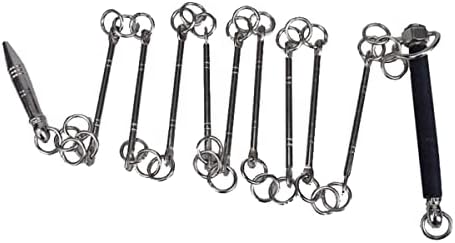
Another popular type is the dragon whip, also known as the chain whip. This type of whip consists of several metal segments connected by rings, with a handle on one end and a metal dart or flag on the other.
The chain whip is highly flexible and can be used to execute a wide range of techniques, from strikes and entanglements to disarming manoeuvres.
Its design allows for rapid, fluid movements, making it a versatile tool for both offence and defence. The chain whip’s distinct appearance and sound also add to its psychological impact, often deterring potential aggressors.
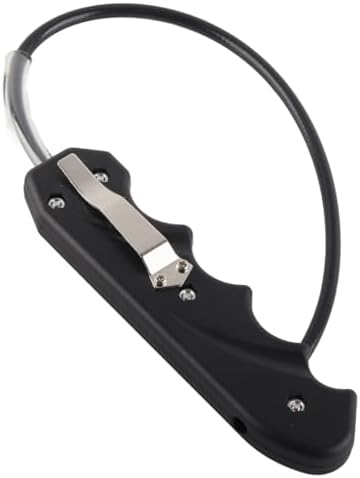
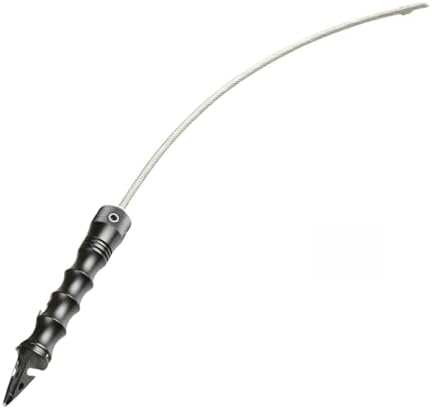
Modern self-defence whips have also seen the introduction of tactical whips, which are designed for practicality and ease of use.
These whips are typically made from high-strength materials like carbon fibre or reinforced nylon, offering durability and lightweight handling.
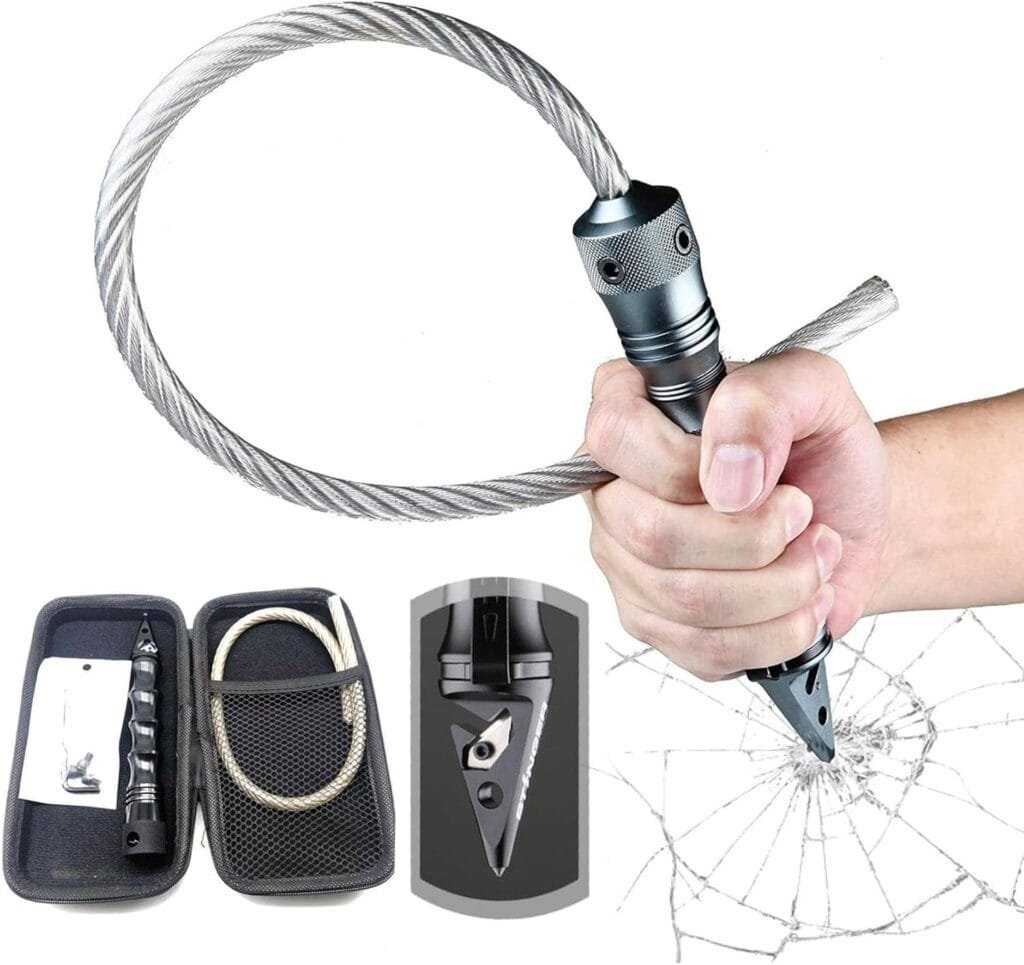
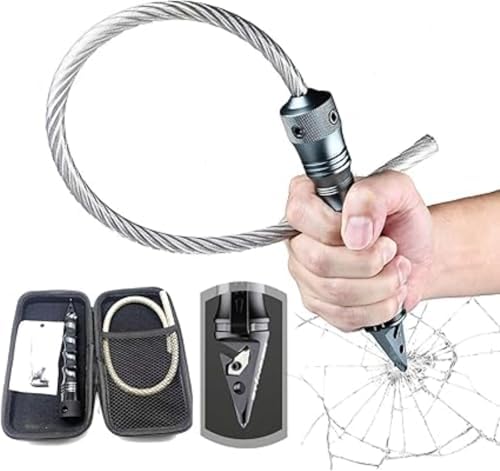
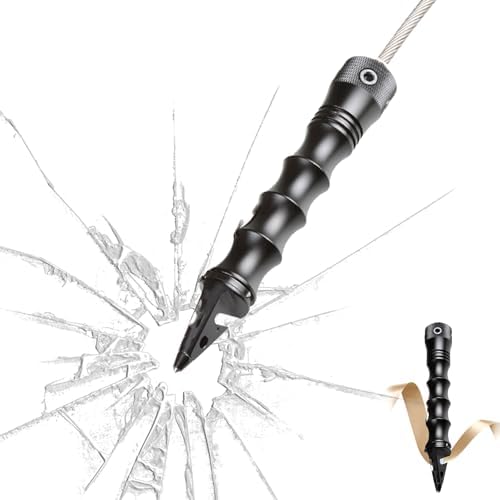
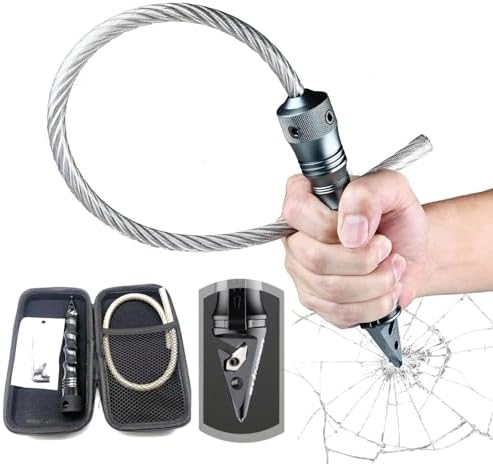
Tactical whips often feature ergonomic grips and compact designs, making them easy to carry and conceal. Some models even incorporate additional features such as glass breakers or flashlight attachments, further enhancing their utility in emergency situations.
The diversity of self-defence whips available today ensures that there is a suitable option for every individual’s needs and preferences.


Basic Techniques for Using a Self-Defence Whip
Mastering the basics of using a self-defence whip begins with understanding the fundamental strikes and movements.
One of the most essential techniques is the forward strike, which involves snapping the whip forward in a controlled manner to deliver a powerful impact.
To execute this move, hold the whip’s handle firmly and use your wrist to generate a quick, snapping motion.
This technique can be used to target an attacker’s limbs or face, creating an effective deterrent and inflicting pain without causing permanent harm. Practising the forward strike regularly will help you develop the precision and speed needed for self-defence.
Another crucial technique is the side strike, which involves swinging the whip horizontally to strike an assailant from the side.
This move can be particularly useful for targeting the torso or legs, areas that are often less protected and more vulnerable to impact. To perform a side strike, hold the whip’s handle with both hands and swing it across your body, using your core muscles to generate power.
This technique requires good timing and coordination, so it’s important to practice it repeatedly to build muscle memory and ensure effective execution under pressure.
In addition to strikes, learning how to block and parry with a whip is essential for self-defence.
Blocking involves using the whip to intercept and deflect an opponent’s attacks, preventing them from making contact.
To block effectively, position the whip in front of you and use quick, controlled movements to redirect incoming strikes.
Parrying, on the other hand, involves using the whip to counter an attack and create an opening for a counterstrike. This technique requires precise timing and anticipation, as you’ll need to read your opponent’s movements and respond swiftly.
Incorporating blocking and parrying drills into your training will enhance your defensive capabilities and overall proficiency with the whip.
Advanced Whip Techniques for Self-Defence
Once you’ve mastered the basic techniques, advancing your skills with a self-defence whip involves learning more complex manoeuvres and combinations.
One advanced technique is the figure-eight strike, which involves swinging the whip in a continuous, looping motion to create a rapid series of strikes.
This move can be highly effective for overwhelming an opponent and maintaining constant pressure. To perform the figure-eight strike, start with a forward strike and then immediately transition into a side strike, alternating between the two in a fluid motion.
This technique requires excellent coordination and control, so practice is essential to achieve smooth and accurate execution.
Another advanced technique is the entanglement, which involves using the whip to ensnare an opponent’s limbs or weapon.
This move can be particularly useful for neutralising an aggressor’s ability to attack or defend. To execute an entanglement, aim the whip at the target area and use a quick, snapping motion to wrap the whip around it.
Once entangled, you can use the whip to pull or twist, disrupting your opponent’s balance and control. This technique requires precise targeting and timing, so it’s important to practice it with a partner or under the guidance of an experienced instructor.
Disarming an opponent is another advanced skill that can be highly effective in self-defence situations. This technique involves using the whip to strip an assailant of their weapon, rendering them less threatening.
To perform a disarm, aim the whip at the opponent’s weapon and use a sharp, snapping motion to strike and entangle it.
Once the weapon is entangled, use a quick pull to wrench it from the opponent’s grasp. This move requires a combination of accuracy, speed, and strength, so regular practice is crucial to developing the necessary proficiency.
Mastering disarm techniques can significantly enhance your ability to neutralise threats and protect yourself in dangerous situations.

Safety Considerations When Using a Self-Defence Whip
Safety is paramount when using a self-defence whip, both for yourself and others around you.
One of the most important considerations is proper training and practice. Before attempting to use a whip for self-defence, it’s essential to receive instruction from a qualified instructor who can teach you the correct techniques and safety protocols.
Practising in a controlled environment, such as a martial arts studio or designated training area, can help you develop your skills while minimising the risk of injury.
Always wear appropriate protective gear, such as gloves and eye protection, during practice to safeguard against accidental strikes.
Another key safety consideration is understanding the whip’s range and potential impact. Whips can generate significant force, and improper use can result in serious injury.
When practising or using a whip for self-defence, always be aware of your surroundings and ensure there is ample space to manoeuvre without hitting unintended targets.
Avoid using a whip in crowded or confined areas where bystanders could be inadvertently struck. Additionally, be mindful of the whip’s trajectory and recoil, as it can snap back and cause injury if not controlled properly.
Developing a keen awareness of the whip’s movement and range is crucial for safe and effective use.
Maintaining your whip in good condition is also essential for safety. Regularly inspect the whip for signs of wear and tear, such as frayed edges or damaged handles, which can compromise its performance and safety.
Follow the manufacturer’s guidelines for care and maintenance, and replace the whip if it shows significant signs of deterioration.
Using a damaged or poorly maintained whip can increase the risk of accidents and reduce its effectiveness in self-defence situations.
By taking these precautions, you can ensure that your self-defence whip remains a reliable and safe tool for personal protection.
Training Resources: Classes and Online Tutorials
Finding the right training resources is crucial for mastering the use of a self-defence whip.
One of the best ways to learn is by enrolling in classes offered by martial arts schools or self-defence instructors.
Many martial arts disciplines, such as Kung Fu and Ninjutsu, include whip training as part of their curriculum.
These classes provide structured instruction from experienced practitioners who can guide you through the fundamentals and advanced techniques.
Additionally, training in a class setting allows you to practice with partners and receive real-time feedback, accelerating your learning process and ensuring proper technique.
For those who prefer self-paced learning or cannot access in-person classes, online tutorials and instructional videos are valuable resources.
Numerous websites and platforms offer comprehensive courses on whip training, covering everything from basic strikes to advanced manoeuvres.
These tutorials often include detailed demonstrations and step-by-step instructions, making it easier to follow along and practice at your own pace.
Many online resources also provide forums and communities where you can connect with other practitioners, ask questions, and share tips and experiences.
This virtual support network can enhance your learning experience and provide additional motivation.
Books and written guides are another excellent resource for learning whip techniques. Many martial arts experts and self-defence instructors have authored books that delve into the intricacies of whip training, offering insights and exercises to improve your skills.
These written resources can complement your practical training, providing a deeper understanding of the principles and strategies behind whip use.
Whether you choose to learn through classes, online tutorials, or books, consistency and dedication are key to mastering the art of using a self-defence whip.
Regular practice and continuous learning will help you develop the proficiency and confidence needed to effectively protect yourself.

Legal Considerations for Carrying a Self-Defence Whip
Understanding the legal considerations for carrying a self-defence whip is essential to ensure that you remain compliant with local laws and regulations.
The legality of carrying a whip for self-defence purposes varies widely depending on the jurisdiction, and it’s important to research and understand the specific laws in your area.
In some regions, whips may be classified as weapons and subject to restrictions or prohibitions on carrying them in public spaces.
Familiarising yourself with these regulations can help you avoid legal complications and ensure that you are using your self-defence whip responsibly.
In addition to local laws, it’s important to consider the context in which you carry and use a self-defence whip.
Even in areas where carrying a whip is legal, using it inappropriately or excessively can result in legal consequences.
Self-defence laws typically require that the use of force be reasonable and proportionate to the threat faced.
This means that using a whip in a manner that is deemed excessive or unnecessary could lead to criminal charges or civil liability.
It’s crucial to understand the principles of reasonable force and to use your self-defence whip only when necessary to protect yourself from imminent harm.
To navigate the legal complexities of carrying a self-defence whip, consider seeking advice from legal professionals or self-defence experts.
They can provide guidance on the applicable laws in your area and offer strategies for using your whip in a legally compliant manner.
Additionally, attending self-defence courses that include legal education can help you develop a comprehensive understanding of your rights and responsibilities.
By staying informed and adhering to legal guidelines, you can ensure that your use of a self-defence whip is both effective and lawful.

Conclusion: Empowering Yourself with a Self-Defence Whip
The journey to mastering the self-defence whip is one of dedication, practice, and empowerment. This versatile tool, steeped in history and refined through centuries of evolution, offers a unique blend of agility, precision, and psychological impact.
By understanding its history, benefits, and types, you can make an informed decision about incorporating a self-defence whip into your personal protection strategy.
Learning both basic and advanced techniques ensures that you are well-prepared to use the whip effectively and safely in a variety of situations.
Safety considerations and proper training are paramount in harnessing the full potential of a self-defence whip.
Whether through in-person classes, online tutorials, or written guides, investing time in learning and practising the correct techniques is essential.
Additionally, staying informed about the legal considerations in your area ensures that you use your whip responsibly and within the bounds of the law.
This comprehensive approach to training and legal awareness empowers you to confidently carry and use a self-defence whip, enhancing your overall sense of security.
Ultimately, the self-defence whip is more than just a weapon; it is a symbol of empowerment and self-reliance.
Mastering its use not only equips you with a powerful tool for protection but also instils a sense of confidence and self-assurance.
As you continue to refine your skills and expand your knowledge, you will find that the self-defence whip becomes an extension of your will and determination.
Embrace the art of using a self-defence whip and unlock a new level of personal empowerment and safety.
We hope you got some useful information on our Self Defence Whip article, and please feel free to comment below and let us know if you have ever used one.
Other – Self-Protection Essentials