
Introduction to Kids’ Phones
The advent of mobile technology has transformed communication, offering convenience and connectivity, which is increasingly important in today’s world.
For children under 11 years of age, having access to phones has grown in relevance not only for keeping in touch with family but also for ensuring their safety.
As they begin to explore independence, having a reliable means of communication can provide both children and parents with peace of mind.
As parents navigate the decision of choosing the right phones for kids, various factors must be considered. Phones for 8-year-olds, for example, should have features that prioritise safety and limit exposure to inappropriate content.
Similarly, phones for 9-year-olds and phones for 10-year-olds should incorporate sufficiently robust parental controls to help parents monitor usage and ensure that their children engage with age-appropriate applications and platforms.
The selection of phones for 11-year-olds often allows for more advanced functionalities, such as educational apps and social interactions with peers.
These phones can bridge the gap between learning and play, enhancing skills while keeping children engaged. However, safety features such as location tracking, emergency contacts, and restricted app usage remain crucial across all age categories.
Thus, parents are encouraged to prioritise devices that offer easy-to-use parental control settings while fostering an environment of open communication about appropriate digital behaviour.
Ultimately, choosing the right phone involves a careful evaluation of a child’s needs, personality, and maturity. With the plethora of options available on the market, making informed decisions about phones for kids is essential for a safer and more productive experience in our increasingly connected world.


Key Features to Consider when Choosing a Phone for Kids
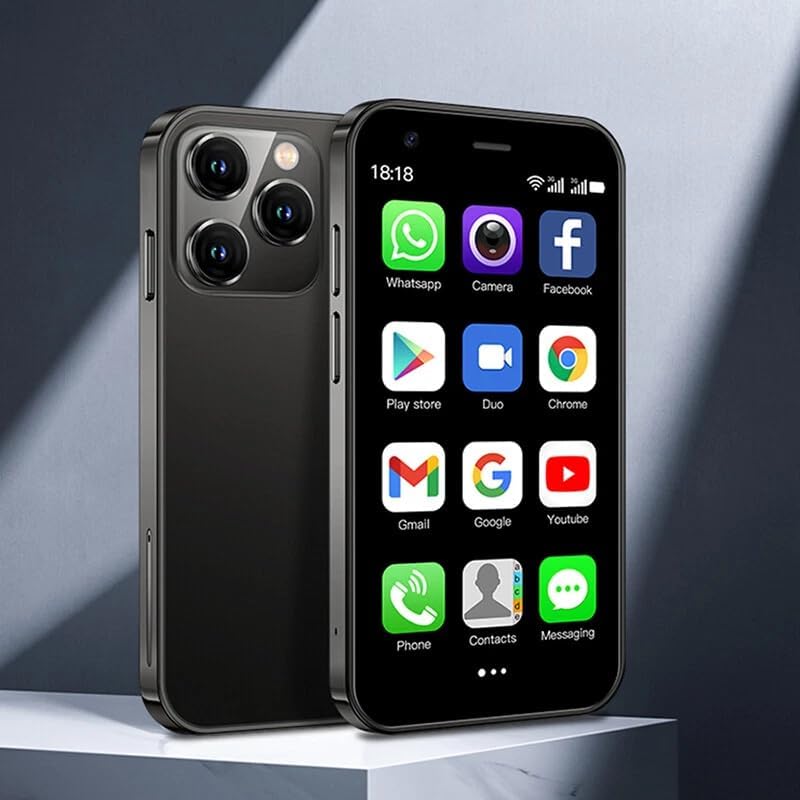
When selecting phones for kids, especially for age groups like 8 to 11-year-olds, it is essential to prioritise features that ensure usability, safety, and durability.
One of the most critical aspects is durability. Children may not handle devices with the same caution as adults, making rugged designs or protective cases important considerations. Phones designed for younger users often come with enhanced resistance to drops and spills, catering specifically to an active lifestyle.
Another vital factor is the ease of use. A phone with a simple interface enables kids, including those around 9 and 10 years old, to navigate their devices independently without requiring constant adult assistance.
Larger icons, intuitive menus, and voice command features enhance usability, making it easier for younger children to engage with technology appropriately.
Battery life is also a crucial feature to consider. Kids’ phones should last throughout the day without needing frequent recharging. Longer battery life can reduce the frequency of interruptions for charging and ensure that children can use their phones for essential communication or parental check-ins whenever necessary.
Moreover, it’s essential for phones for kids to come equipped with robust parental controls. These features allow parents to monitor their child’s usage patterns, set screen time limits, and manage the accessibility of apps or content on the device.
This capability is particularly important for younger users, ensuring they engage with appropriate material while using their phones.
Lastly, safety features like GPS tracking can provide peace of mind for parents.
Knowing the location of their child at any given moment is reassuring, especially as kids begin to explore their environment more independently.
Phones equipped with GPS and location-sharing capabilities enable safe exploration and provide direct communication channels for emergency situations.
Top Mobile Phones for Kids in 2026
Choosing the right phone for children under 11 can be challenging due to the variety of options available in the market. In 2023, several mobile phones stand out as suitable choices for kids aged 8 to 11.
Here is a curated list of the best phones for kids this year, outlining their key features, advantages, and potential drawbacks.
One of the leading options is the iPhone SE (2022). This phone combines powerful performance with a compact design, making it perfect for kids aged 10 and 11.
It features a user-friendly interface, great camera quality, and access to a wide range of educational apps. However, the price may be on the higher side for a child’s first phone.


Next is the Samsung Galaxy A32. This model appeals to children aged 9 and 10 with its vibrant display and solid battery life, accommodating both gaming and educational tasks.
It offers parental controls, ensuring parents can monitor usage and content. A potential drawback is that its camera, although good, may not match that of more premium models.



For younger kids, the Xplora One is an excellent choice, specifically designed for children aged 8 and 9. The Xplora Phone provides essential features like calling and texting, including safety measures that restrict access to internet browsing and apps. This simplicity is a major advantage, although some kids might feel limited by the lack of advanced functionalities.


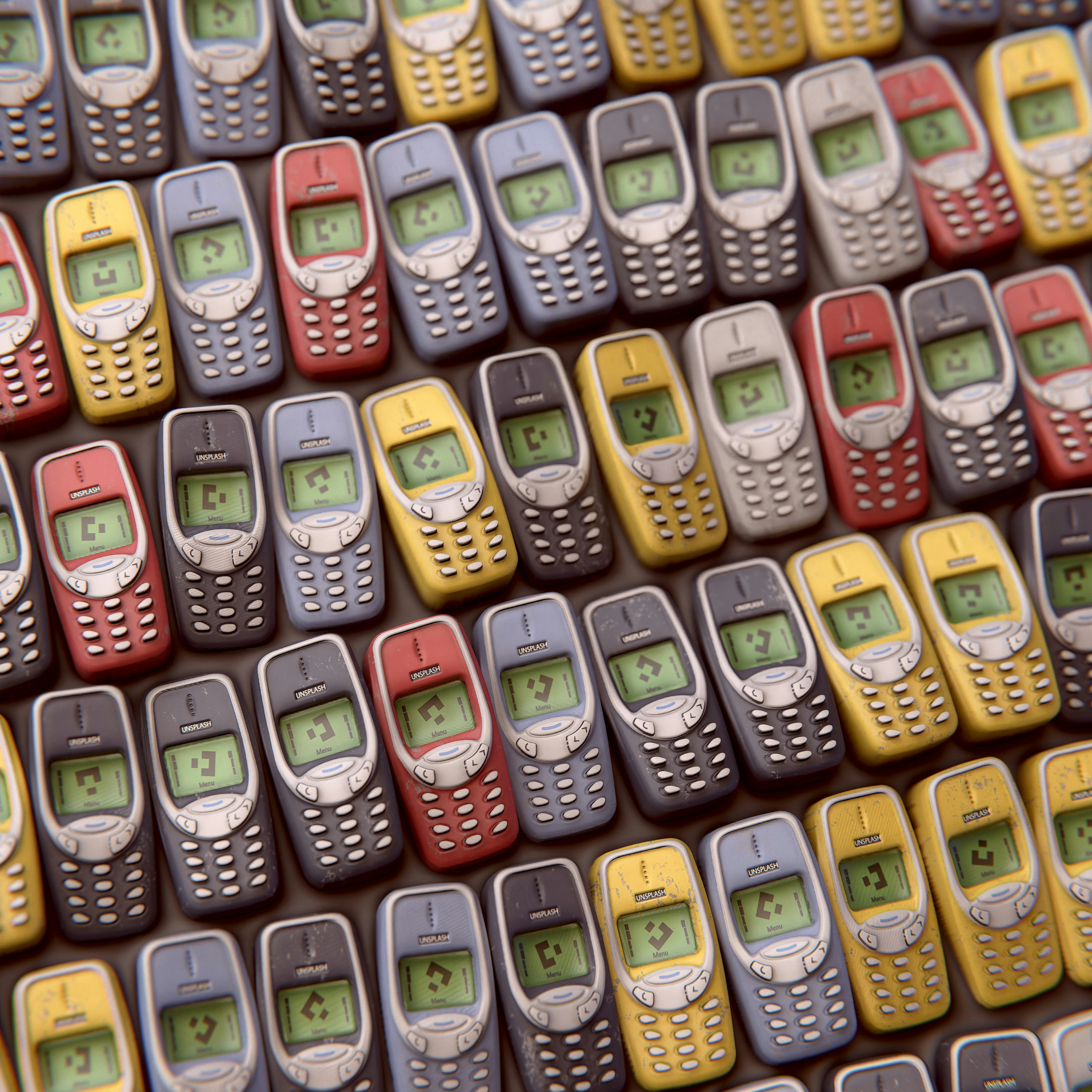
Another option is the Nokia 3310 (2017) model. Known for its durability and long battery life, it is suitable for kids who require a basic phone without distractions. While it lacks modern smartphone capabilities, its ruggedness and straightforward use make it ideal for younger children.
In conclusion, considering factors such as functionality, safety features, and price will help in selecting the right phones for kids. Each of these options provides unique benefits, ensuring that you find the best fit for your child’s needs.



Benefits of Mobile Phones for Younger Children
The advent of mobile technology has transformed communication, creating numerous opportunities for integration into the lives of younger children. Providing phones for kids, particularly for ages 8 to 11, can enhance not only their safety but also their educational experiences.
One of the foremost benefits of mobile phones for younger children is the ability to communicate in emergencies. In a world where safety concerns persist, equipping children with a phone ensures they can reach out for help if necessary.
This capability holds particular importance for phones for 10-year-olds, as they begin to navigate more independence, such as moving to new environments or attending after-school activities unsupervised. A simple call or message can bridge the gap, providing peace of mind for both parents and children.
Additionally, mobile phones serve as powerful learning tools. Many educational apps and resources are designed specifically for children, promoting literacy, mathematics, and critical thinking.
As children age, introducing them to age-appropriate content via phones for 8-year-olds or older can aid in reinforcing what they learn in school.
Engaging in interactive activities allows children to develop their skills while maintaining their interest. Moreover, many phones for 9-year-olds and beyond offer features that encourage creativity, such as photography and video editing applications, which enable children to express themselves artistically.
Furthermore, the use of mobile phones cultivates digital literacy among young users. Understanding how to navigate technology is essential in today’s digital age, and early exposure to phones prepares children for future academic and professional environments.
Through guided use, parents can introduce their children to responsible digital citizenship, ensuring they learn about privacy, online communication, and the importance of a balanced digital lifestyle.
Incorporating mobile phones into the lives of younger children presents significant benefits, paving the way for enhanced connectivity, learning opportunities, and essential skills for the future.
Setting Parental Controls and Monitoring Usage
When it comes to choosing phones for kids, ensuring their safety while encouraging responsible usage is a priority for many parents.
Setting up parental controls is an effective strategy to help manage how children interact with technology. Most of the latest phones for kids offer built-in parental control features that allow customised oversight tailored to the age of the child.
To begin with, parents can set app management options to restrict access to specific applications. This means that parents can approve or deny certain apps based on their suitability for children aged 8 to 11 years old.
Many phones for 10-year-olds or younger allow users to create profiles or accounts that can limit which apps are visible and accessible for their kids, promoting a safer digital environment.
Another significant aspect is screen time limits. Phones for 11-year-olds often come with a built-in feature that allows parents to set daily usage limits for specific apps or for the device as a whole.
By implementing these limits, parents can encourage healthy habits and prevent excessive screen time. This is particularly useful for parents of children aged 9 to 11, as it helps manage not only recreational use but also educational engagement with their devices.
In addition to app management and screen time restrictions, web filtering is also crucial. Parents can utilise content filtering options available on many phones for kids to block access to inappropriate websites.
This ensures that children are not exposed to harmful content online. By setting these filters, parents can foster a secure atmosphere for their kids to explore the internet safely while still allowing access to educational material.
By implementing these controls, parents can monitor their children’s usage and maintain a productive balance between connectivity and security, thus ensuring that phones for 8-year-olds, 9-year-olds, and 10-year-olds are utilised effectively and safely.


Teaching Kids About Phone Safety and Etiquette
As the prevalence of smartphones continues to rise, particularly among younger populations, it becomes increasingly important for parents to educate their children on safe phone usage and proper etiquette.
It is essential to guide kids in understanding the capabilities and responsibilities that come with owning phones.
Whether the device is aimed at phones for 8-year-olds or those intended for slightly older hands, the foundation for safe usage must be laid early.
First, parents should begin by explaining the basic functions of the phone, including how to make and receive calls. Children need to understand whom they can call and in what situations it is appropriate to reach out for help. Engaging discussions can include scenarios where a child might need to use their phone to contact a trusted adult. This practice can promote confidence in their ability to communicate effectively when needed.
As children grow, particularly when they reach ages such as phones for 9-year-olds or phones for 10-year-olds, managing online interactions becomes increasingly important.
Parents should share guidelines on how to respond to messages and interact with others across social media platforms. Establishing rules about sharing personal information and recognising inappropriate content can help children navigate the complex digital landscape securely.
Moreover, instilling a sense of personal safety is crucial. Children should be taught the importance of not sharing their location or personal details online. Parents can role-play situations to help kids learn how to handle unsolicited contact or how to block unwanted users. This awareness helps develop their critical thinking skills regarding phone usage.
Ultimately, fostering an open dialogue about phone safety and etiquette ensures that children are equipped with the knowledge to be responsible users of phones for 11-year-olds and younger.
This proactive approach prepares them to enjoy the benefits of connectivity while remaining aware of potential risks and challenges associated with digital communication.
Alternatives to Traditional Mobile Phones for Kids
As the demand for communication devices for children increases, it is essential to consider alternatives to traditional smartphones. These options can provide essential features while ensuring safety and reducing complexity for young users.
Parents looking for phones for kids may find that devices such as smartwatches and basic phones offer adequate functionality without overwhelming their children.
Smartwatches designed for children have gained popularity in recent years. Many of these wearable devices come equipped with features such as GPS tracking and limited calling capabilities.
They are particularly beneficial for phones for 10-year-olds and phones for 11-year-olds, allowing parents to monitor their child’s location while providing a means of communication. These devices often come with parental controls, ensuring that children are only able to connect with pre-approved contacts.
For younger children, such as those aged 8 to 9 years old, simpler mobile phones may be appropriate. These basic phones typically allow calling and texting but lack internet access and advanced applications.
This simplification reduces potential distractions and exposure to inappropriate content. Furthermore, basic phones designed for kids often prioritise durability, catering to the active lifestyle of children.
Additionally, there are dedicated communication devices that serve as an alternative to traditional smartphones. For instance, some companies offer devices specifically built for children, equipped with features like emergency calling, voice messaging, and even activity tracking.
These can make excellent phones for kids who may not be ready for a fully functional smartphone but still require a means to stay connected with family.
As technology continues to evolve, exploring these alternatives to traditional mobile phones can help parents provide their children with safe and manageable communication solutions that encourage independence while prioritising safety.
Managing Screen Time for Little Ones
With the introduction of phones for kids, particularly tailored for children aged between 8 and 11 years, managing screen time has become a cornerstone of parenting in the digital age. Parents often seek the best phones for 10-year-olds or phones for 11-year-olds that not only engage their children but also provide a safe environment for screen interactions. To achieve a healthy balance between digital and physical play, here are several effective strategies:
Firstly, it’s crucial to establish clear screen time limits that suit your child’s age and developmental stage. For instance, phones for 9-year-olds may warrant shorter usage periods compared to devices intended for older children. Setting these boundaries allows kids to enjoy engaging with their devices without excessive exposure.
Secondly, consider utilising built-in parental controls that come with many phones for kids. These tools enable parents to monitor usage, schedule device downtime, and even block specific apps, ensuring children are engaging with age-appropriate content. This proactive approach helps keep their screen interactions productive and meaningful.
Moreover, to promote physical activity, encourage your children to partake in outdoor activities or hobbies that do not involve screens. Organising playdates or family outings is beneficial—not only does this encourage a break from devices, but it also fosters social skills and emotional development.
Additionally, it is vital to lead by example. Demonstrating responsible screen use as a parent can set a positive tone for your children. When they see you engaging in discussions, reading books, or simply taking breaks from technology, they are more likely to adopt similar habits.
In conclusion, managing screen time effectively for children using phones for 8-year-olds or other age-appropriate devices is a necessary endeavour for parents. Implementing structured limits, utilising parental controls, encouraging physical activities, and leading by example can contribute significantly to achieving a balanced lifestyle for your little ones.
Conclusion: Making the Right Choice for Your Child
When selecting phones for kids, particularly for phones for 8-year-olds, phones for 9-year-olds, phones for 10-year-olds, and phones for 11-year-olds, parents play a crucial role in ensuring that the device enhances safety and facilitates communication. Several factors must be considered in order to make an informed choice.
First and foremost, it is essential to evaluate the features that are most beneficial for your child’s age group. Different age ranges may require varying functionalities; younger children often benefit from basic calling and texting capabilities, while older children might require additional features such as internet access or educational apps.
Thus, understanding your child’s specific needs and level of maturity can guide you towards the most appropriate technology.
Additionally, parents should prioritise safety-related features, such as parental controls that allow you to monitor your child’s activity and screen time.
Ensuring that the chosen phones for kids come with robust security features can be vital in protecting them from inappropriate content and harmful interactions. Furthermore, selecting a model that has a durable design may offer extended longevity, accommodating the active lifestyle that many children lead.
In considering the right phones for 10-year-olds or any age within the under-11 category, it is equally important to discuss digital literacy and responsibility with your children.
Teaching them the proper way to communicate and engage with technology can promote a safer and more knowledgeable use of their device. Ultimately, with proper selection and guidance, parents can ensure that the phone serves as a tool for safety and connection rather than a source of distraction or vulnerability.
Other Safe Things for Kids To Carry