

Understanding the Importance of Awareness
Awareness is a critical component of personal safety, especially when navigating public spaces where unknown individuals may be present.
Developing an acute sense of stranger awareness is essential in identifying potential threats and understanding one’s surroundings.
This involves a heightened state of observation where one consciously examines the behaviour of the people around them and their environment.
The psychology of awareness suggests that being alert not only enhances safety but also cultivates an intuitive sense of danger that can protect individuals from harm.
Recognising the signs of suspicious behaviour is fundamental in determining whether a stranger poses a risk. For instance, noticing erratic movements, prolonged staring, or unwarranted proximity can serve as red flags that should not be ignored.
By maintaining focus on these behavioural indicators, individuals are better equipped to respond promptly and appropriately.
Awareness can empower people to trust their instincts; if something feels off about a situation or individual, it is prudent to take precautionary measures, such as removing oneself from the vicinity or seeking help from authorities.
Moreover, awareness isn’t solely about impending threats; it encompasses a broader understanding of one’s environment.
Familiarising oneself with common safety practices, local emergency contacts, and even potential escape routes can significantly enhance personal security.
By adopting a proactive approach to stranger awareness, individuals foster an environment where they can think critically and act decisively in uncertain situations.
It is the recognition of the potential risks posed by strangers and the application of practical strategies that ultimately contribute to a safer public experience for everyone.
Building this awareness can be a vital first step in mitigating danger and ensuring that individuals are prepared for various encounters.
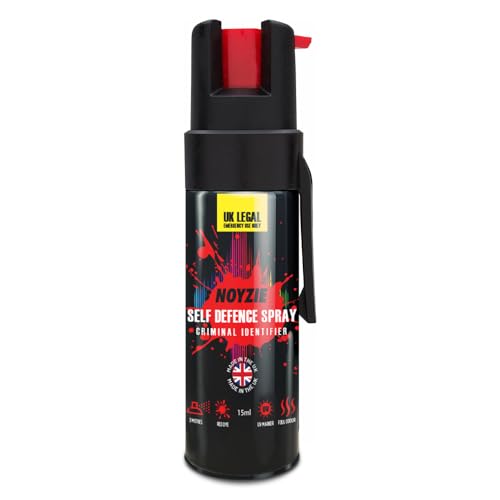
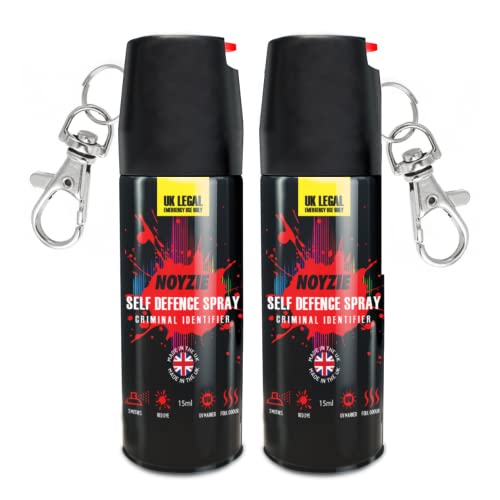
Tip 1 – Have Pepper Spray In your Purse

Stranger Awareness – Assessing the Situation
When faced with the prospect of a stranger approaching you, it is crucial to remain calm while evaluating the situation to ensure your personal safety.
The first step in this assessment involves paying attention to the body language of the individual. Observing their posture, gestures, and facial expressions can provide insights into their intentions.
For instance, if the stranger maintains an open and relaxed stance, this may indicate they are approaching with benign intent.
Conversely, a closed-off posture or aggressive gestures might signal that the individual poses a threat.
Additionally, verbal cues can be instrumental in determining the nature of the encounter. Listen carefully to their tone of voice, volume, and choice of words.
A friendly greeting or inquiry is typically less alarming than aggressive or confrontational language. It is also essential to consider the context of the encounter; the location and situation can significantly influence the stranger’s intent.
For example, an approach in a crowded area during daylight might generally be considered safer than one in a secluded or dark environment.
While assessing the stranger’s behaviour, it is imperative to remain aware of your surroundings. Conduct a quick mental inventory of your immediate environment, including potential escape routes and accessible safe spaces.
Identifying nearby exits, other people, or public places can enhance your sense of security. Should you feel uncomfortable or threatened, being prepared to remove yourself from the situation is key.
Practising stranger awareness in various contexts can bolster your confidence and ability to respond effectively.
In conclusion, conducting a thorough assessment of both the individual and your surroundings is vital for maintaining safety when encountering a stranger.
Tip 2. Personal Alarms Are A Great Way To Warn Of Offenders.


Staying Calm and Composed
When confronted with a stranger, maintaining a calm and composed demeanour is crucial. One of the most effective techniques to achieve this is through controlled breathing exercises.
When approached by someone you do not know, take a moment to focus on your breathing. Inhale slowly through your nose, counting to four, then exhale through your mouth, counting to four again.
This simple practice can help reduce anxiety and prepare you to assess the situation rationally.
In addition to breathing techniques, adopting a confident posture is essential. Stand tall with your shoulders back and chest open, displaying confidence without appearing aggressive.
This body language communicates to the stranger that you are in control of your emotions and aware of your surroundings, which can often discourage any potential intimidation.
Moreover, keeping your hands visible and relaxed can further project the message that you mean no harm, while still allowing you to react swiftly if the need arises.
Maintaining a calm demeanour not only benefits you but can also impact the behaviour of the stranger. When you exhibit confidence and tranquillity, it can diffuse potentially escalatory situations.
Those who approach you may sense your steadiness, which might lead them to act more appropriately. It is equally important to pay attention to your inner dialogue; remind yourself that feeling uneasy is natural, but it does not dictate how you should respond.
The objective is to remain composed, allowing you to engage in rational decision-making during the encounter.
Remember, knowing what to do if a stranger approaches you requires practice in maintaining composure. By integrating breathing techniques and confident body language, you develop the skills necessary for safer interactions and enhanced stranger awareness.
Verbal Communication Strategies
When faced with the situation of interacting with a stranger, effective verbal communication becomes a crucial component in ensuring one’s safety.
Understanding what to do if a stranger approaches you requires not only awareness but also the ability to articulate your boundaries clearly.
Utilising assertive language can significantly enhance your ability to manage the interaction and assert your personal space.
One primary strategy in such encounters is to be direct without being aggressive. For instance, if a stranger approaches with unsolicited questions, a firm but polite response like, “I prefer not to engage,” clearly communicates your boundary.
This type of language discourages further intrusion while maintaining a respectful tone. It is essential to remain aware of your body language, which should align with your words to ensure you project confidence and control over the situation.
Furthermore, knowing when to engage or disengage from a conversation is vital. In cases where the stranger seems harmless but may have intentions to connect socially, consider responding positively but with limits.
For example, a brief acknowledgement like, “Thank you, but I’m in a hurry,” can conclude the interaction without escalation.
Conversely, if the person crosses personal boundaries or creates a sense of threat, it may be prudent to disengage immediately. An assertive statement such as, “Please step back,” clearly establishes the need for physical distance.
In diverse situations, responses may vary. For example, if approached for money, a simple, “I’m unable to help, thank you,” can effectively close the dialogue.
Always trust your instincts about a stranger’s demeanour; adapting responses based on the level of threat perceived is key to maintaining safety during such interactions.
By prioritising stranger awareness and employing these verbal communication strategies, individuals can significantly enhance their ability to navigate uncertain encounters calmly and effectively.
Tip 3. A Whistle Comes In Handy


Non-Verbal Communication and Body Language
Non-verbal communication plays a crucial role in interactions, and understanding body language can significantly impact how one reacts when a stranger approaches.
When faced with such a situation, adopting an open and relaxed stance can convey confidence and assurance.
This posture includes uncrossed arms and legs, standing tall, and facing the person directly, which indicates that you are approachable yet vigilant.
An open stance not only prepares you to engage but also sets a tone of readiness for the conversation.
Eye contact is another essential element of non-verbal communication. Maintaining appropriate eye contact helps establish rapport and signals that you are attentive and engaged.
However, it is crucial to strike a balance; too much eye contact can be intimidating, while too little may give the impression of disinterest or unease.
Thus, practising moderate eye contact can help you read the other person’s intentions more accurately, aiding in assessing whether the encounter is benign or requires caution.
Additionally, recognising the body language of the stranger is vital for evaluating the nature of the interaction. Pay attention to their facial expressions, gestures, and posture.
For instance, a closed-off posture, such as crossed arms or avoiding eye contact, may suggest discomfort or hostility, while open gestures typically denote friendly intentions.
Being attuned to these signals can assist you in gauging whether you should engage further or take necessary precautions.
In conclusion, by employing effective non-verbal communication techniques, such as adopting an open stance and maintaining appropriate eye contact, one can enhance one’s stranger awareness.
Understanding and responding to the body language of others not only fosters better communication but also ensures safety in potentially unfamiliar interactions.
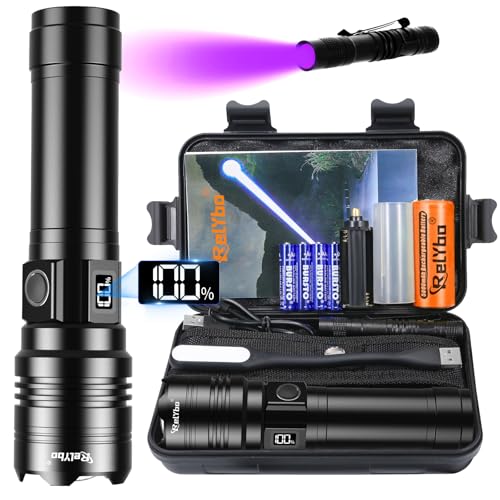
Tip 4. Tactical Torch


Stranger Awareness – Safety Precautions to Take
When pondering what to do if a stranger approaches you, it is essential to consider various safety precautions designed to help you navigate these potentially hazardous situations.
One of the primary measures is to remain in well-lit and populated areas. Being in the vicinity of other people significantly reduces the likelihood of an uncomfortable encounter, as potential threats are less likely to approach individuals in such locations.
Always seek safe havens, such as shops or public places, where you can feel secure.
Securing personal belongings is another critical aspect of stranger awareness. Ensure that your bags are zipped and valuables are tucked away, making it less tempting for strangers with ill intentions.
Use crossbody bags to keep your hands free and maintain personal space. This not only protects your possessions but also sends a signal to would-be offenders that you are aware and vigilant.
Furthermore, trusting your instincts is vital. If you feel uneasy as a stranger approaches you, listen to that feeling; your intuition is an essential tool in ensuring your safety.
Acknowledge any discomfort and be prepared to disengage from the situation. You can create a physical barrier by stepping back or changing direction, sending a clear message that you do not wish to engage.
Being assertive can deter potential threats while demonstrating awareness of your environment.
It is also prudent to share your location with a trusted friend or family member, particularly when you are in unfamiliar settings.
Informing someone about your whereabouts can add an additional layer of security, enabling others to look out for your well-being.
Keeping your phone accessible for emergency calls is another effective way to ensure personal safety in unexpected situations.
Seeking Help from Bystanders or Authorities
In situations where you feel uncomfortable or threatened by a stranger approaching you, it is essential to recognise the importance of seeking help from those nearby.
Engaging bystanders or authorities can be a crucial step in ensuring your safety. Understanding when and how to enlist support is vital in these circumstances.
If a stranger approaches you and their behaviour seems suspicious or threatening, it is appropriate to seek assistance immediately.
Look around for other individuals who might be able to help. You can approach a group of people or even a nearby business to find someone you feel comfortable speaking with about your situation.
In many cases, the presence of other individuals can deter potential threats and provide you with the support you need to feel safer.
Beyond reaching out to bystanders, it is also important to recognise when to involve law enforcement. If you perceive an immediate threat or the stranger exhibits aggressive or violent behaviour, calling the police is advisable.
When contacting authorities, provide them with specific details about the incident, such as the description of the individual, the nature of their behaviour, and your location. Quick and accurate reporting can be fundamental in addressing the situation effectively.
Furthermore, you may come across a suspicious scenario that does not directly involve you but makes you uneasy.
In such cases, reporting the behaviour to the authorities can play a pivotal role in maintaining community safety.
If you are uncertain about whether a situation warrants intervention, trust your instincts. It is always better to err on the side of caution, as stranger awareness is necessary for navigating public spaces safely and responsibly.
Recognising the importance of seeking help from others can empower individuals to feel more secure and confident when dealing with potential threats.
By actively involving bystanders or authorities, you create a network of support that can help resolve potentially dangerous situations.
Escaping Uncomfortable Situations
When faced with an unwanted interaction with a stranger, the ability to extricate oneself from the conversation is paramount. It is essential to approach these situations with a clear mind and a set of strategies designed to prioritise personal safety.
One effective method is distraction. Engaging in an activity or focusing on your surroundings can provide a natural exit from an uncomfortable dialogue.
For instance, if you are at a crowded venue and a stranger approaches you, turning your attention to an item in a nearby store window or checking your phone can create an opportunity to disengage.
Another technique is tactical withdrawal.
This involves setting clear physical boundaries while maintaining a polite demeanour.
Phrasing your departure as a need—such as stating that you must meet someone or return to your group—can help you leave without escalation.
It is important to remain vigilant about your surroundings, as awareness enhances your safety. If a conversation begins to feel uncomfortable or unwanted, a simple but assertive statement like “Excuse me, I really need to go now” can signal that it is time to end the interaction.
Prioritising personal safety is crucial, especially in unfamiliar locations. If the stranger’s behaviour raises any concerns, trust your instincts and depart immediately.
Familiarising yourself with local safety resources or available escape routes can empower you before these situations arise. In addition, informing a friend or family member of your whereabouts when venturing into new environments can provide an extra layer of security.
Ultimately, adopting a mindset of stranger awareness will prepare you for unexpected encounters. Remaining calm and utilising the aforementioned techniques will enhance your ability to navigate uncomfortable situations swiftly and safely, ensuring that your personal comfort and security are always the top priority.
Reflecting on the Encounter
When considering what to do if a stranger approaches you, it is essential to take time to reflect on the encounter after it has occurred.
This reflection not only allows individuals to process their experiences but also helps in assessing the manner in which they responded during the situation. Every interaction with a stranger can yield valuable insights into personal safety and stranger awareness.
To begin, individuals should evaluate their emotions during the encounter. Were they primarily fearful, anxious, or perhaps calm?
Understanding one’s emotional response can help identify any personal triggers that may need further attention.
Additionally, considering the body language and demeanour of the stranger provides context. This assessment can reveal whether the approach was benign or potentially threatening, which is crucial for future reference when encountering strangers.
It is also beneficial to think about the specific actions taken during the encounter. Were these actions effective in managing the situation? Individuals can ask themselves whether they communicated confidently, maintained a safe distance, or sought assistance from others.
This introspective process enables learners to recognise effective strategies and potentially adjust their responses for future encounters.
Some individuals may choose to journal their experiences or discuss them with trusted friends or family as a means of processing their thoughts and feelings.
Ultimately, reflecting on encounters with strangers encourages personal growth and enhances safety awareness.
By taking the time to review what occurred and how they responded, individuals arm themselves with knowledge and preparedness for future situations.
Incorporating these reflections into one’s understanding of stranger awareness not only aids in personal safety but also fosters resilience in navigating a complex social environment.
IF YOU ARE TOTALLY UNSURE > Ring The POLICE
Hope You Got What You Needed from our Stranger Awareness Article. Feel free to comment below on any tips or if you have been in any sticky situations.